He is the Rock, His work is perfect; for all His ways are justice, a God of truth and without injustice; righteous and upright is He. (Deuteronomy 32:4)
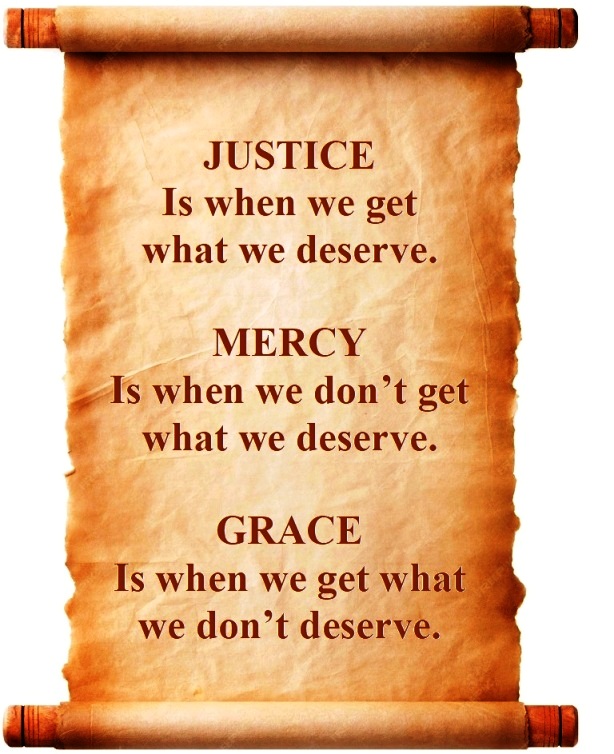
JUSTICE: the justice of God as defined by the ATS Bible Dictionary, 1859 states that it is: “that essential and infinite attribute which makes His nature and His ways the perfect embodiment of righteousness, and constitutes Him the model and the guardian of justice throughout the universe.” Psalm 89:14 tells us that God’s rule over the universe is grounded in justice and righteousness. There is never a time when God has been unjust; because, it is against His unchanging nature to be anything but perfectly just.
The justice of God was demonstrated at the cross. As Jesus was crucified, the sins of the world were laid on Him (Isaiah 53:4–5), and Jesus’ death became the propitiation, or the satisfaction, of God’s justice: “God presented Christ as a sacrifice of atonement, through the shedding of His blood—to be received by faith. He did this to demonstrate His righteousness. . .” (Romans 3:25). God could not just ignore sin; justice requires a punishment. To our eternal benefit, that penalty for sin fell on Jesus Christ: “It was to show His righteousness at the present time, so that He might be just and the justifier of the one who has faith in Jesus” (Romans 3:26).
Justice is linked to a right relationship with God and those who know God will act justly: “Evil men do not understand justice, but those who seek the Lord understand it completely” (Proverbs 28:5). However, “Blessed are they who observe justice, who do righteousness at all times!” (Psalm 106:3).
Because of the fall of mankind and the sinful nature we inherited from Adam, we all tend toward what is morally wrong instead of toward what is morally right. The result is that we live amid prejudice and unfairness, and, even as we honor the concept of justice, we see many examples of the corruption of justice that have continued from long ago and will not be done with until the Lord returns.
Today as centuries past, “Justice is far from us. . . . We look for justice, but find none. . . . Justice is driven back, and righteousness stands at a distance. . . . The Lord looked and was displeased that there was no justice” (Isaiah 59:9, 11, 14–15). Therefore, as the world drifts further from God, justice becomes a rarer commodity.
When sin is redefined as a virtue and righteousness becomes offensive, then justice is twisted, the wicked go unpunished, and innocent people are victimized. Therefore, believers look forward to the day when the Lord returns and establishes true justice on the earth. Whatever the injustice in this world, God has promised, “I will repay” (Romans 12:19).
The Lord has promised to return and set things right, therefore, truth will win in the end. In the meantime, we wait, and we do not lose hope: “The Lord is a God of justice; blessed are all those who wait for Him” (Isaiah 30:18). And we praise Him for His justice: “I will thank the LORD because He is just; I will sing praise to the name of the LORD Most High” (Psalm 7:17).
MERCY: Is revealed in the actions God takes to relieve suffering and demonstrate His faithfulness and steadfast love. A number of Hebrew and Greek words are used to express the dimensions of mercy’s meaning. Synonyms like compassion, lovingkindness, favor, and steadfast love often appear in Bible translations to illustrate the idea of mercy. A brief biblical definition of mercy is “the gift of God’s undeserved kindness and compassion.” It means NOT giving someone what they deserve.
Mercy reflects the divine quality where God remains faithful to His covenant promises and His relationship with His people despite their unworthiness and faithlessness. “But because of His great love for us, God, who is rich in mercy, made us alive with Christ even when we were dead in transgressions—it is by grace you have been saved. And God raised us up with Christ and seated us with Him in the heavenly realms in Christ Jesus, in order that in the coming ages He might show the incomparable riches of His grace, expressed in His kindness to us in Christ Jesus” (Ephesians 2:4–7).
In God’s mercy, He shows leniency. He withholds punishment from sinners even though they deserve it: “But in your great mercy, you did not destroy them completely or abandon them forever. What a gracious and merciful God you are!” (Nehemiah 9:31).
Jesus Christ is the fullest, most dynamic expression of God’s mercy. The apostle Paul gives us one of the best descriptions of God’s mercy as revealed in Jesus Christ: “But when the kindness and love of God our Savior appeared, He saved us, not because of righteous things we had done, but because of His mercy. He saved us through the washing of rebirth and renewal by the Holy Spirit, whom He poured out on us generously through Jesus Christ our Savior, so that, having been justified by His grace, we might become heirs having the hope of eternal life” (Titus 3:4-7). God’s mercy not only forgives and saves us but also withholds the punishment we deserve.
GRACE: Is an essential part of God’s character and means getting what we don’t deserve and is closely related to God’s benevolence, love, and mercy. Grace can be variously defined as “God’s favor toward the unworthy” or “God’s benevolence on the undeserving.” In His grace, God is willing to forgive us and bless us abundantly, in spite of the fact that we don’t deserve to be treated so generously.
To fully understand grace, we need to consider who we were without Christ and who we become with Christ. We were born in sin (Psalm 51:5), and we were guilty of breaking God’s holy laws (Romans 3:9–20, 23; 1 John 1:8–10). We were enemies of God (Romans 5:6, 10; 8:7; Colossians 1:21), deserving of death (Romans 6:23a). We were unrighteous (Romans 3:10) and without means of justifying ourselves (Romans 3:20). Spiritually, we were destitute, blind, unclean, and dead. Our souls were in peril of everlasting punishment.
But then God extended His favor to us. “For it is by grace you have been saved, through faith—and this is not from yourselves, it is the gift of God” (Ephesians 2:8). Grace gives us victory over sin and gives us “eternal encouragement and good hope” (2 Thessalonians 2:16).
Jesus Christ is the embodiment of grace, coupled with truth (John 1:14) and Paul repeatedly identified grace as the basis of his calling as an apostle (Romans 15:15; 1 Corinthians 3:10; Ephesians 3:2, 7).
The Bible repeatedly calls grace a “gift” that teaches us some key things about the meaning of grace:
- A gift is something that is bestowed voluntarily and without need of repayment meaning that nothing is owed in return.
- A gift is free to the recipient, although it is not free to the giver, who bears the expense. The gift of salvation costs us sinners nothing. But the price of such an extravagant gift came at a great cost for our Lord Jesus, who died in our place.
- Once a gift has been given, ownership of the gift has transferred and it is now ours to keep. When a gift changes hands, the giver permanently relinquishes all rights to renege or take back the gift in the future. Likewise, God’s grace is ours forever.
The Bible teaches that grace is completely unmerited. “He has saved us and called us to a holy life—not because of anything we have done but because of His own purpose and grace. This grace was given us in Christ Jesus before the beginning of time, but it has now been revealed through the appearing of our Savior, Christ Jesus, who has destroyed death and has brought life and immortality to light through the gospel” (2 Timothy 1:9–10).
In fact, the Bible says quite clearly that we don’t deserve God’s salvation. However, “God demonstrates His own love for us in this: While we were still sinners, Christ died for us. . . . While we were God’s enemies, we were reconciled to Him through the death of his Son” (Romans 5:8-10).
Grace does not stop once we are saved; God is gracious to us for the rest of our life, working within and upon us. Therefore, as the recipients of God’s grace, Christians are to be gracious to others. Grace is given to us to serve others and to exercise our spiritual gifts for the building up of the church and for reaching the lost.
The end result is that everyone who trusts in the Lord Jesus is saved from the wrath of God and instead experiences His mercy and grace. “Therefore, now there is no condemnation for those who are in Christ Jesus” (Romans 8 1).
*******



Very good article, thank you, David
Sent with Proton Mail secure email.
By: mvm707 on July 9, 2025
at 3:22 pm
Praise God!
By: missionventureministries on July 17, 2025
at 8:31 am