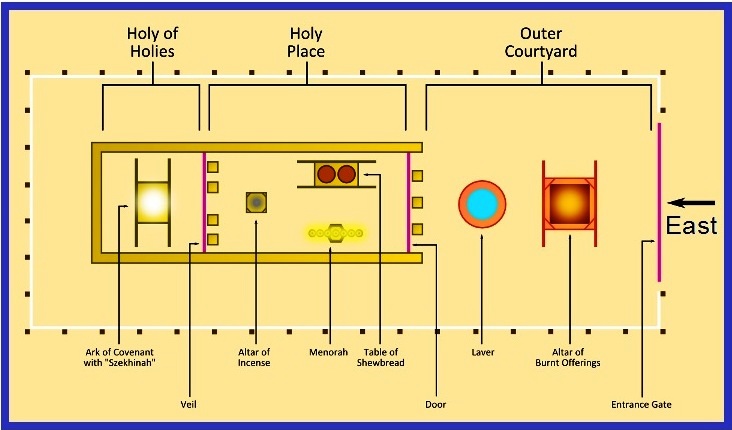
First and foremost the tabernacle is a picture and type of that which takes the place of pre-eminence in the Bible, and that is the person of Jesus Christ, the Son of God. He is the true fulfillment of this structure. As the Bible brings out; “And the Word (Christ) became flesh (human, incarnate) and dwelt (tabernacled) among us. We have seen His glory (His honor, His majesty), the glory of the one and only Son, who came from the Father, full of grace (favor, loving-kindness) and truth” (John 1:14).
The earthly tabernacle pictures salvation. This is true of what it cost Jesus to provide the means of salvation and also of the steps necessary for those who want to be saved. Concerning the former, Jesus had to fulfill His role as the High Priest of the New Covenant, entering into the Heavenly tabernacle as the book of Hebrews teaches: Hebrews 9:11-12, 24: “When Christ came as high priest of the good things that are already here, he went through the greater and more perfect tabernacle that is not man-made, that is to say, not a part of this creation. He did not enter by means of the blood of goats and calves; but he entered the Most Holy Place once for all by his own blood, having obtained eternal redemption… For Christ did not enter a man-made sanctuary that was only a copy of the true one; he entered heaven itself, now to appear for us in God’s presence.”
The Temple in Jerusalem, as described in the Bible, serves as a profound symbol of God’s presence among His people and His covenant relationship with Israel. Each element within the Temple holds significant symbolic meaning, reflecting various aspects of divine truth and spiritual reality.
The Tabernacle shows God’s presence with His people, God wanted to dwell with His people as He does now and wants to have a relationship with His children. God is not distant nor is He unapproachable; He wants to be with us.
Just as the tabernacle was at the center of the camp during Moses’ time, He wants to be the center of lives today. Therefore, our lives should be spent living in His presence everyday, which is the place He deserves.
The Tabernacle Shows God’s Justice and Mercy, it reminds us that sin must be punished. God is a holy God. At the same time, He makes a way to Him. The Ark of the Covenant itself had a mercy seat on it. In God’s holiness, He did not reject people; rather He shows us the way back to Him.
As we study the tabernacle, it is amazing to see that God designed it so that every single thing points to Jesus as He fulfills all of the roles of the things in the tabernacle and more. Everything is focused on Him.
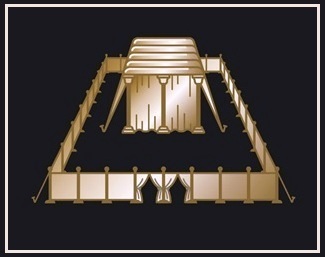
Jesus is the Gate. “I am the gate; whoever enters through me will be saved. They will come in and go out, and find pasture” (John 10:9). He is the only way to salvation. “I am the way, and the truth, and the life; no one comes to the Father except through Me” (John 14:6).
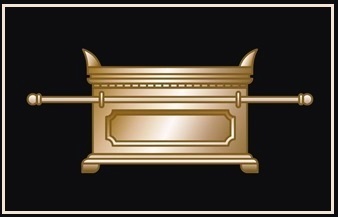
The Altar of Burnt Offering. Located in the Temple courtyard, the altar of burnt offering is where sacrifices were made to atone for sin. It symbolizes the necessity of atonement and the seriousness of sin. The sacrifices point forward to the ultimate sacrifice of Jesus Christ, “the Lamb of God, who takes away the sin of the world” (John 1:29).
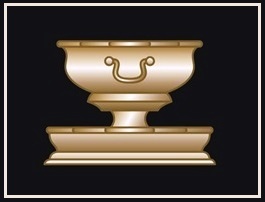
The Bronze Basin, or laver, used by the priests for ceremonial washing, symbolizes purification and the need for holiness. It reflects the cleansing necessary to approach God, as emphasized in Psalm 24:3-4: “Who may ascend the hill of the LORD? Who may stand in His holy place? He who has clean hands and a pure heart.” Only through Him can we be cleansed of our sins and receive forgiveness.
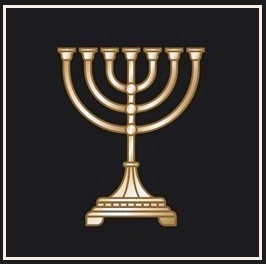
Jesus is the Lampstand. He is the light of the world and He lights the way to God. The Menorah represents the illumination of the Holy Spirit and the truth of God’s Word, as seen in Psalm 119:105: “Your word is a lamp to my feet and a light to my path.”
The Bible is from beginning to end a testimony about Christ and God’s merciful plan of redemption. “I am the Light of the world; the one who follows Me will not walk in the darkness, but will have the Light of life” (John 8:12). Praise the Lord; He has taken His children out of the darkness and into His marvelous light (1 Peter 2:9).
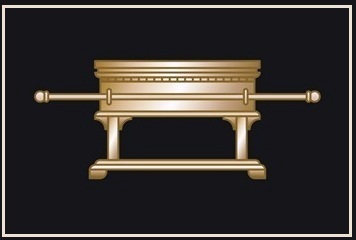
Jesus is the Table of Showbread: It held twelve loaves representing the twelve tribes of Israel, symbolizing God’s provision and fellowship with His people. It points to Jesus as the “bread of life” (John 6:35), who sustains and nourishes spiritually. We should come to Him to be filled and not to the world.
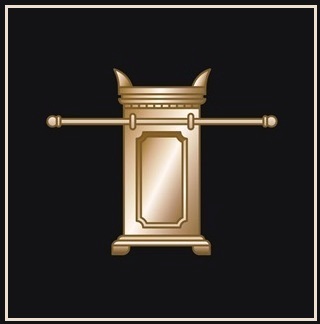
The Altar of Incense: Placed before the veil, symbolizes the prayers of the saints rising to God. The sweet-smelling incense represents the intercession of Christ and the prayers of believers, as depicted in Revelation 8:3-4: “And the smoke of the incense, together with the prayers of the saints, rose up before God from the hand of the angel.”
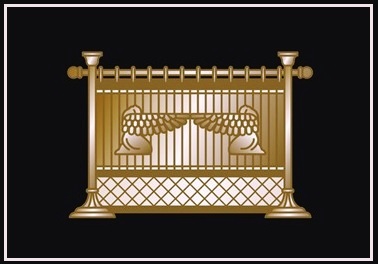
The Veil: Separating the Holy Place from the Most Holy Place signifies the barrier between a holy God and sinful humanity. Its tearing at the moment of Christ’s death (Matthew 27:51) symbolizes the new access to God made possible through Jesus’ sacrifice, as described in Hebrews 10:19-20: “Therefore, brothers, since we have confidence to enter the Most Holy Place by the blood of Jesus, by the new and living way opened for us through the curtain of His body.”
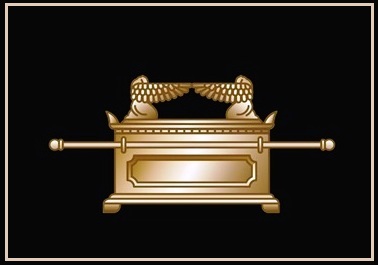
The Ark of the Covenant: Housed in the Most Holy Place, is the central symbol of God’s presence and His covenant with Israel. It contained the stone tablets of the Law, Aaron’s rod that budded, and a jar of manna (Hebrews 9:4). The Ark represents God’s throne on earth, His law, and His provision. The mercy seat atop the Ark, where the high priest would sprinkle blood on the Day of Atonement, symbolizes God’s mercy and the atonement for sin (Leviticus 16:14-15).
The Cherubim: Depicted on the Ark’s mercy seat and woven into the veil, symbolize the holiness and majesty of God. They serve as guardians of His presence, reflecting the reverence and awe due to Him.
Each element of the Temple not only served a practical purpose in the worship of ancient Israel but also pointed to deeper spiritual truths fulfilled in Jesus Christ. Through these symbols, believers gain insight into the nature of God, the seriousness of sin, and the means of redemption.
In conclusion: It is awesome to see how the Old Testament tabernacle points to Jesus. But where is the tabernacle today? The believers are the temple of God: “Do you not know that you yourselves are God’s temple, and that God’s Spirit dwells in you?” (1 Corinthians 3:16). Therefore, we are to be a holy place for Him to dwell in and in turn lead others to Him.
*******


 Mission Venture Ministries
Praise the Lord Almighty and all glory goes to God!
By: messengerchrist on June 10, 2026
at 1:15 pm
Amen brother and blessings to all of you.
By: missionventureministries on June 14, 2026
at 1:28 pm
Very good thanks dr
Sent with Proton Mail secure email.
By: mvm707 on June 10, 2026
at 6:49 pm
Thank you for your kind comments. Blessings
By: missionventureministries on June 14, 2026
at 1:28 pm