Posted by: missionventureministries | August 21, 2024

WHY WERE WE CREATED? – Colossians 1:16

Colossians 1:16

For by Him all things were created, both in the heavens and on earth, visible and invisible, whether thrones or dominions or rulers or authorities—all things have been created through Him and for Him. (Colossians 1:16) 

Why are we here? Why did God create me? Perhaps you have asked these questions; here are some basic answers, as God created man for several reasons, as outlined in the Bible: 

  • We were created for God’s purpose, as Colossians 1:16 states: God created all things through Him and for Him. This means that God finds joy and satisfaction in creating and having a relationship with His creation. 
  • God created humans to share in His love. This is evident in the Bible, where it is stated that God rejoices over His people with gladness and quieting them with His love (Zephaniah 3:17). 
  • Some theologians speculate that God created humans to show His goodness. Without humans, God would not have a way to manifest His goodness and love to others, which is essential to His nature. Since creation is seen as the external ground of the covenant between God and humanity, this relationship is central to God’s purpose, allowing Him to show His love and goodness to His creation. 
  • God created humans with free will, allowing them to choose to love and follow Him or to reject Him. This choice dignifies humanity and recognizes the image of God within them. 

Understanding that humanity was created for God’s pleasure significantly reshapes our perception of purpose on Earth. Here are some key implications of this concept: 

Being created for God’s pleasure emphasizes the importance of a personal relationship with Him. Humans are designed to know, love, and worship God, reflecting His nature and character in their lives. This relationship is not one of servitude but of mutual joy and fellowship, where humans can experience God’s love and grace. 

Recognizing that our existence pleases God transforms how we view our daily activities, including work. When we understand that our labor can reflect God’s image, we can see our work as a means of participating in God’s creative purposes. This perspective encourages us to approach our tasks with integrity and diligence, viewing them as opportunities to fulfill God’s design for our lives and contribute to His kingdom. 

The concept of being created for God’s delight also highlights the significance of free will. God did not create beings who are merely obedient; instead, He granted humanity the ability to choose to love and follow Him. 

This freedom dignifies human choices and underscores the relational aspect of our purpose, as we can choose to engage with God and His creation meaningfully. 

Understanding our purpose as being rooted in God’s delight leads us to reflect on how we can embody His goodness in the world. This involves caring for creation, loving others, and living out the values of the kingdom of God. Our actions can serve as a testament to God’s character, showcasing His love and grace to those around us. 

So whether we ask “why did God create me?”, or “why did God make me?”, or even “what am I supposed to do with my life?” the answer is the same. You are to love God and love others. We are made by God, for the glory of God, to become more and more like Jesus and we are empowered by the gifts of the Holy Spirit to do good works (Ephesians 2:10). God gives us the freedom, in Jesus, to do this and He gives us the gifts of the Holy Spirit to make this possible! We can then be confident that God’s good purposes for us will be fulfilled, and the gifts of the Holy Spirit will produce good fruit that will be seen by others (Galatians 5:22–23), and God will be glorified on earth and in heaven, now and forever. 

Finally, the notion that we are created for God’s pleasure offers hope amidst the brokenness of the world since despite the fall and the introduction of sin, God’s ultimate purpose remains to restore humanity and creation. This hope is fulfilled through Jesus Christ, who offers reconciliation and eternal life, allowing us to live in alignment with our intended purpose. 

In review, God created man to share in His love, to show His goodness, to establish a covenant, and to give humanity free will, all of which reflect His nature as a loving and creative God. Understanding that we are created for God’s purpose enriches our sense of reason, emphasizing relationship, the value of our daily actions, the significance of free will, the call to reflect God’s goodness, and the hope of restoration through Christ. 

*******

DISCLAIMER MVM

Posted by: missionventureministries | August 14, 2024

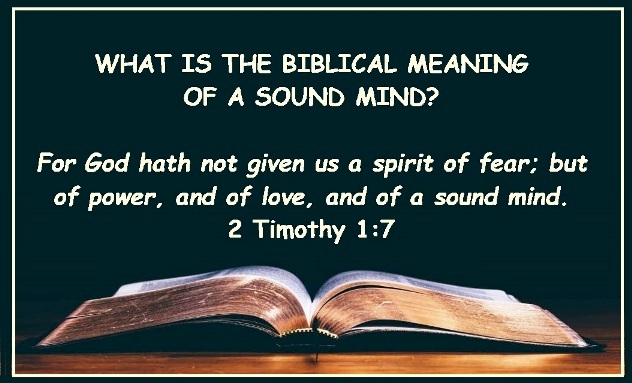
GOD HAS NOT GIVEN US A SPIRIT OF FEAR – 2 Timothy 1:7

2 Timothy 1:7

For God has not given us a spirit of fear, but of power and of love and of a sound mind. (2 Timothy 1:7) 

2 Timothy 1:7 is part of the last letter written by the Apostle Paul before his martyrdom in Rome around AD 67-68. This makes it one of the final writings of inspired Scripture penned by Paul. 

This verse emphasizes the empowering nature of the Spirit given by God. This passage is significant as it addresses the themes of courage and strength in the face of challenges. The Apostle Paul wrote this to Timothy, to encourage him amid his responsibilities in Ephesus, informing him that God equips believers with a spirit that promotes confidence and love rather than fear or timidity. 

The underlying message is that believers are called to embody power, love, and self-discipline, which are essential for fulfilling their spiritual duties and overcoming fear. This was a crucial message for the persecuted early church, reminding them of the inner strength available to face hardship and fear thru the empowering nature of the Holy Spirit given to believers. 

The themes of power, love and self-discipline highlighted in the verse became hallmarks of the early Christian movement. The Spirit-empowered boldness of believers like Peter and John in Acts 4 exemplified this. 

This verse has continued to encourage Christians throughout history to stand firm in faith and not be paralyzed by fear and has been a source of strength for believers facing trials and persecution. 

So how do we apply this verse in our daily life? 

  • When feelings of fear, anxiety or worry arise, recognize they do not come from God. Reject these thoughts and choose to trust in God’s power instead. 
  • Walk in God’s power relying on God’s strength, and not on your own. As a believer, when you face challenges, remember the power of the Holy Spirit that resides within you. 
  • Let love guide your responses, not fear. Love is central to the Christian faith and is a fruit of the Spirit (Galatians 5:22). To develop love you need to engage in acts of kindness. Look for opportunities to serve others, whether through volunteering, helping a neighbor, or simply being present for a friend in need. Make a conscious effort to understand and share the feelings of others, fostering deeper connections and compassion by practicing empathy. 
  • Exercise self-discipline since self-control is another part of the fruit of the Spirit. Discipline yourself to spend time in God’s Word, pray consistently, and make choices that honor God. Cultivate the habit of bringing every thought captive to Christ. Self-control is essential for maintaining focus and achieving goals. Therefore, establish routines, create daily habits that promote spiritual growth, such as regular prayer, Bible reading, and worship. These disciplines help reinforce your connection to God’s love and power. Adjust your habits as necessary to stay on track. 
  • Live by the Spirit by engaging daily with the Holy Spirit by inviting His presence into your activities. Galatians 5:25 encourages believers to “keep in step with the Spirit.” This means being conscious of the Spirit’s guidance in your decisions and actions, therefore, make time throughout your day to pause and reflect on how the Holy Spirit is leading you as you practice mindfulness.

In summary, 2 Timothy 1:7 serves as a reminder of the empowering presence of the Holy Spirit in the life of a believer, encouraging confidence and resilience in the face of adversity. This verse encapsulates key themes of Paul’s final instructions to Timothy, the empowering work of the Holy Spirit, and the courage and self-discipline needed to faithfully serve Christ. 

Remember that as human beings we will be fearful at times and when we are, we need to remember to: “Cast all your anxieties on Him, because He cares for you” (1 Peter 5:7). 

*******

DISCLAIMER MVM

Posted by: missionventureministries | August 7, 2024

MADE ALIVE IN CHRIST – Ephesians 2:1-5

Ephesians 2 vs 1-5

As for you, you were dead in your transgressions and sins, in which you used to live when you followed the ways of this world and of the ruler of the kingdom of the air, the spirit who is now at work in those who are disobedient. All of us also lived among them at one time, gratifying the cravings of our flesh and following its desires and thoughts. Like the rest, we were by nature deserving of wrath. But because of his great love for us, God, who is rich in mercy, made us alive with Christ even when we were dead in transgressions—it is by grace you have been saved. (Ephesians 2:1-5) 

Ephesians 2:1-3 describes the spiritual state of believers before their conversion to Christianity. 

We were born in darkness, but God invites all of us into His glorious light. Followers of Christ know the importance of being saved, but the world sees no need for rescue. 

To be “dead in your transgressions and sins” means to be spiritually dead and separated from God due to sinful actions and nature. This spiritual death implies a state of alienation from God, where individuals are unable to have a relationship with Him or respond to His will. 

“Transgressions” and “sins” cover both deliberate disobedience and general moral failings. These terms together emphasize the comprehensive nature of human sinfulness. 

Therefore, those who don’t have a personal relationship with God through His Son Jesus are: 

Spiritually dead. There are three kinds of death, physical, spiritual, and eternal. Spiritual death occurred in the Garden of Eden when disobedience severed Adam and Eve’s connection to God (Romans 5:12). As a result, we’re born as “dead” people in need of new life. Eternal death comes at the end of the age, when all those who have refused Jesus are cast away from God’s presence (Matthew 25:41). 

The term “dead” in this context refers to a spiritual condition rather than a physical one. It signifies a state of being cut off from the presence of God due to sin. 

Worldly influences: Describes how people “followed the ways of this world and of the ruler of the kingdom of the air.” This refers to living according to societal norms and values that are contrary to God’s will, as well as being under the influence of evil spiritual forces. 

Human nature: The text states that “All of us also lived among them at one time, gratifying the cravings of our flesh and following its desires and thoughts.” This highlights the universal human tendency towards self-gratification and sinful behavior. 

Our nature is to rebel against God. We’re enslaved to sin (John 8:34), and any effort to free ourselves from its power is in vain. We need someone to rescue us. 

Paul emphasizes that this condition was universal, affecting all people before they received salvation through Christ. It highlights the necessity of divine intervention for spiritual renewal and life. 

This passage underscores the profound impact of sin on human nature and the need for salvation through Jesus Christ to restore spiritual life and connection with God. 

Under divine wrath. Because of our disobedience, we are under God’s judgment. All efforts to earn His approval and escape our sentence are insufficient. Sinful man has nothing acceptable to offer Holy God. Our only hope of escape is for someone else to pay our penalty. 

The passage concludes by stating that due to this condition, people were “by nature deserving of wrath,” indicating that this sinful state made them subject to God’s judgment. 

The good news is that the Lord has provided a way for all to pass from spiritual death to life, from sin’s bondage to freedom, and from condemnation to intimacy with Him. Jesus Christ alone is the way (John 14:6), and He meets our every need. 

It’s important to note that this passage sets the stages for the following verses, which go on to describe God’s grace and the process of salvation. The stark contrast between humanity’s sinful state and God’s mercy is a central theme in Christian theology. 

God’s love and mercy: The verses emphasize that salvation originates from God’s “great love” and that He is “rich in mercy.” This underscores that salvation is not based on human merit, but on God’s compassion and love for humanity. 

Our former spiritual state: The passage indicates that before salvation, we were “dead in trespasses and sins.” This spiritual death refers to our complete separation from God and inability to save ourselves. 

Divine action: God “made us alive together with Christ.” This is a powerful metaphor describing how God brings us from spiritual death to spiritual life. It’s not something we accomplish on our own, but rather an act of God’s power. 

Union with Christ: The phrase “with Christ” is significant, as it points to the believer’s union with Jesus in His death and resurrection. This union is central to the Christian understanding of salvation. 

Grace: The passage explicitly states that “it is by grace you have been saved.” This reinforces that salvation is a gift from God, not earned by human efforts. 

God’s power: This act of making alive is linked to the same power that raised Christ from the dead, as mentioned in the previous chapter of Ephesians. 

In essence, this passage describes the radical change that occurs in a person’s spiritual status when they come to faith in Christ. It emphasizes God’s initiative, love, and power in rescuing people from spiritual death and bringing them into a new life in Christ. This transformation forms the basis for the Christian’s new identity and purpose and makes us alive in Christ. 

*******

DISCLAIMER MVM

Posted by: missionventureministries | July 31, 2024

THE SOURCE FOR BECOMING MORE LIKE GOD WANTS US TO BE – Psalm 37:23

Psalm 37 vs 23 (1)

The steps of a good man are ordered by the Lord, and He delights in his ways. (Psalm 37:23) 

In the Gospel of John, Jesus described the Hoy Spirit as our Helper, our Counselor, and our Advocate. He is not described as the One who will do everything for us and requite nothing of us. 

Therefore, we should never consider reading Scripture as optional. Along with prayer and worship, the Bible is a vital link between God and mankind. First of all, how would the church understand or teach about salvation without the knowledge of the gospel as recorded in the Bible? How would we learn to rightly relate to God and have fellowship with Him? No, He hasn’t left us on our own to figure out who He is and what He desires. Our relationship with God largely depends on our time with God’s words which is His inexhaustible resource to help us live an abundant, abiding life in Christ, through the power of the Holy Spirit. 

All human beings live on one of three possible spiritual planes: 

  • The natural person, or unbeliever, doesn’t accept what God has revealed and cannot understand the Bible (1 Corinthians 2:14).
  • The carnal Christian is encumbered by sinful desires and grasps only the basics (1 Corinthians 3:1).
  • But the spiritual person lives on the highest plane of understanding (1 Corinthians 2:15-16). This person is a Christian who prays and studies the Bible daily and therefore possesses greater knowledge and discernment.  

In order to live on this highest spiritual plane, we need to be in God’s Word consistently. The goal isn’t simply to check Scripture reading off a to-do list, nor is it an aimless or sporadic endeavor. What we need is a daily commitment over a lifetime so God’s Word can permeate every aspect of our life. 

People read the Bible for a variety of reasons; intellectual curiosity, duty, personal satisfaction, encouragement, or help with a problem. However, the main objective should always be to get to know God, because the Scriptures are His self-revelation. 

There are many people who say they believe in God, but if you asked them for further information, you would discover that their ideas aren’t supported by the Bible. Even Christians can have distorted conceptions of God, because it’s easier to believe what we want about Him or create our own false image of Him, but as Psalm 119:130 says, “The unfolding of Your words gives light; it gives understanding to the simple.” We don’t come to an accurate knowledge of God through our individual opinions or philosophies, but by reading and studying what He has revealed about Himself, and trusting the Holy Spirit within us to confirm the truth. 

We come to an accurate knowledge of God by reading and studying what He has revealed about Himself, and trusting the Holy Spirit within us to confirm truth; as Jesus said: “Everyone who is of the truth hears My voice” (John 18:37). 

Bibles are so common today that we often lose sight of their value. However, consider what the Lord says about those who honor His revelation to us: “But to this one I will look, to him who is humble and contrite of spirit, and who trembles at My word” (Isaiah 66:2). The fact that the Creator of the universe, who is righteous and holy, has humbled Himself to speak to mankind should fill us with awe and reverence. 

We also need an attitude of faith. Skepticism is Satan’s oldest tactic to discredit God’s Word. “Indeed, has God said …?” were his first deceptive words to Eve (Genesis 3:1). When human reason causes us to question Scripture, we must remember that our limited perspective is no match for the truth of an all-knowing, eternal God. It is always dangerous to become a critic of Scripture instead of letting it shape the thoughts and motives of our heart. “For the word of God is alive and active. Sharper than any double-edged sword, it penetrates even to dividing soul and spirit, joints and marrow; it judges the thoughts and attitudes of the heart. Nothing in all creation is hidden from God’s sight. Everything is uncovered and laid bare before the eyes of Him to whom we must give account” (Hebrews 4:12-13). 

Finally, we must approach the Bible with an attitude of obedience. Scriptural knowledge isn’t something we merely accumulate in our brain. God wants it to be worked out in our life through obedience to Him. In fact, if we are not obeying what we currently know, why would the Lord give us more insight? 

We need to see the Word of God as food to nourish and delight in. When a person is deprived of food, the body wastes away, but the damage caused by spiritual malnutrition may not be as obvious. Christians who are insufficiently nourished are afflicted with all kinds of spiritual maladies. They are powerless to resist temptation, blind to error, helpless to overcome sin, ruled by their own desires, and unable to benefit from the heavenly Father’s loving discipline. 

We must remember that our limited perspective is no match for the truth of an all-knowing, eternal God.

Peter tells believers to “long for the pure milk of the word, so that by it you may grow in respect to salvation” (1 Peter 2:2). A rich intake of Scripture shapes our thinking, influences our attitudes and behavior, gives discernment, affirms our faith, empowers obedience, and increases our love for God and His Son. 

Let the Word be a guiding light. This world can be a very dark place, yet as Christians, we are to “walk as children of Light” (Ephesians 5:8). That’s why we need the Bible as a lamp to our feet and a light to our path (Psalm 119:105). It instructs us in holy living and truth so we will not fall prey to sin and deception. It’s good to seek advice from believers, after all, the church is Jesus’ body, and the body needs all its parts to function. But we should always receive advice in the light of scriptural truth, discarding what clearly contradicts the Lord’s teachings. 

God wants His Word to be a source of delight and He is willing to help us gain understanding when we faithfully and humbly read it. This doesn’t mean that every time we open our Bible, we will experience profound enlightenment. But over time as more and more starts to fit together, we will gain a deeper knowledge of who God is and how He wants us to live. In many ways, the Bible is an acquired taste. The more we consume, the sweeter Scripture becomes until we can’t imagine going a day without it. 

So always remember that with the help of the Holy Spirit and an obedient and positive attitude we can become all that God wants us to be, for His honor and glory. 

* * * * * * *

DISCLAIMER MVM

Posted by: missionventureministries | July 24, 2024

WHAT DOES IT MEAN TO HEAR AND OBEY GOD’S WORD – Psalm 119:16

Psaslm 119 vs 16

“I delight in Your decrees; I will not neglect Your word.” (Psalm 119:16) 

To walk wisely, we must actively and diligently obey and apply God’s Word to our lives. It is not enough to hear God’s Word, to read it, or to meditate on it. We must put it into action. 

Those who are willing to obey God’s Word are going to be the ones who are most clearly and directly impacted by God’s Word. They have set their minds and hearts to know God’s Word. They read the Bible with the thought, “I have got to see what God wants me to do. I’m gong to discover today some of the ways God wants me to live and respond and initiate action. The reason I am reading my Bible is for guidance for my life, not just to read it because I should.” 

This verse expresses two key sentiments: 

  • Delight in God’s decrees: The psalmist finds joy and pleasure in God’s laws and commandments. This reflects a positive attitude towards divine instruction, seeing it as a source of happiness rather than a burden. 
  • It is a commitment to remember: The writer pledges not to forget or neglect God’s word. This implies a dedication to keeping God’s teachings at the forefront of one’s mind and actions. 

This verse is part of Psalm 119, the longest chapter in the Bible, which is an extended meditation on the value and importance of God’s law. Throughout this psalm, the author repeatedly expresses love for God’s commandments and a desire to follow them faithfully. 

This particular verse emphasizes the emotional and intellectual engagement with God’s word. It’s not just about knowing the rules, but finding genuine pleasure in them and making a conscious effort to keep them in mind. 

In the context of the surrounding verses, we see that this delight and commitment are part of a broader approach to God’s word that includes: 

  • Rejoicing in following God’s statutes (verse 14)
  • Meditating on God’s precepts (verse 15)
  • Considering God’s ways (verse 15) 

This verse encapsulates a devoted attitude towards divine instruction, combining both affection (“delight”) and dedication (“will not neglect”). 

Delighting in God’s decrees, holds significant spiritual and practical implications for believers, since this verse emphasizes the joy and fulfillment that come from engaging with God’s laws and teachings. 

Here are the key aspects of its significance: 

Emotional Response: The psalmist’s declaration of delight indicates a deep emotional connection to God’s decrees. This joy is not superficial; it reflects a profound appreciation for God’s guidance and wisdom. The Hebrew term used suggests a lively and exuberant delight, akin to jumping for joy. 

Spiritual Growth: Delighting in God’s word fosters spiritual growth. When believers immerse themselves in Scripture, they gain insights into God’s character, His promises, and His instructions for righteous living. This engagement leads to transformation and alignment with divine truth, enhancing one’s spiritual journey. 

Commitment to God’s Word: The commitment expressed in “I will not neglect your word” underscores the importance of actively remembering and applying God’s teachings. This dedication is essential for maintaining a close relationship with God and for living a life that reflects His will.

Practical Application: The psalmist illustrates that delighting in God’s decrees involves not just admiration but also practical application. This means meditating on, obeying, and walking according to God’s laws, which ultimately leads to a fulfilling and purposeful life. 

Guidance in Life: God’s decrees serve as a moral compass, providing direction in decision-making and daily living. By delighting in these teachings, believers can navigate life’s challenges with confidence, knowing they are aligned with God’s will. 

Foundation for Happiness: The psalmist implies that true happiness and fulfillment stem from obedience to God’s word. By prioritizing God’s decrees, individuals can experience peace and joy that surpasses worldly pleasures. 

In review, the significance of delighting in God’s decrees in Psalm 119:16 lies in its capacity to foster joy, commitment, spiritual growth, and guidance, ultimately leading to a more fulfilling and righteous life. 

Delighting in God’s decrees significantly impacts one’s relationship with Him by fostering a deeper connection, enhancing spiritual growth, and cultivating a joyful obedience. Here are the key ways this delight influences the believer’s relationship with God: 

Joyful Engagement: When individuals find delight in God’s commands, they engage with Him more joyfully and willingly. This joy transforms the perception of obedience from a duty to a delight, making the relationship with God more vibrant and fulfilling. The psalmist’s expression of delight suggests a loving and intimate relationship with God, where His laws are cherished rather than viewed as burdensome. 

Increased Trust: Delighting in God’s decrees implies a trust in His wisdom and goodness. Believers who find joy in His commands are more likely to rely on them during challenging times, knowing that God’s guidance leads to their ultimate well-being. This trust strengthens the bond between the believer and God, as they recognize His authority and care in their lives. 

Transformation through Obedience: Delighting in God’s decrees leads to a commitment to obey them, which in turn fosters spiritual growth. As believers align their lives with God’s word, they experience transformation and renewal. This process deepens their understanding of God’s character and His desires for them, enhancing their spiritual maturity and relationship with Him. 

Reflecting God’s Character: When believers delight in and follow God’s decrees, they reflect His character in their lives. This alignment with God’s will not only brings personal fulfillment but also serves as a testimony to others about the goodness of living according to His commands. Such a lifestyle draws others to God and strengthens the community of faith. 

Peace and Fulfillment: Obeying God’s commands out of delight brings a sense of peace and fulfillment that transcends mere compliance. This joy in obedience indicates a heart that is aligned with God’s purposes, leading to a more satisfying and meaningful life. The psalmist illustrates that true delight comes from understanding and living out God’s word, which ultimately leads to abundant blessings. 

Modeling Faith: A believer’s delight in God’s decrees can have a contagious effect, particularly on younger generations. When parents and mentors model joy in obedience, it encourages others, especially children, to develop a similar attitude towards God’s commands. This modeling fosters a community that values and delights in God’s word, strengthening collective faith and commitment. 

In summary, delighting in God’s decrees enriches the believer’s relationship with Him by promoting joyful engagement, trust, spiritual growth, and a fulfilling obedience that reflects God’s character. This dynamic relationship ultimately leads to a deeper understanding of God’s love and purpose in their lives. 

Psalm 119:16 serves as a powerful reminder for modern Christians about the importance of engaging with Scripture, committing to its teachings, and allowing it to shape their lives.   

 *******

DISCLAIMER MVM

Posted by: missionventureministries | July 17, 2024

UNDERSTANDING PATIENCE THE BIBLICAL WAY – Romans 12:12

Romans 12 vs 12

“Rejoice in hope, be patient in tribulation, be constant in prayer.” (Romans 12:12) 

In the Bible, the word patience can refer to both longsuffering and perseverance. It reveals itself when we are willing to wait without frustration while suffering or experiencing some strong desire to do things our own way. What’s more, being patient means accepting whatever God chooses to give or not to give and willingly receiving it on His timetable. 

Patience is crucial in the Christian faith because it demonstrates our trust in God’s sovereignty and His timing. In the meantime, we must pray, obey, and seek His direction. The danger of impatience is that we might miss out on the Lord’s blessing and perfect plan. But when we trust in our Father’s will and His perfect timing, we will know inner peace. 

When everything is going our way, patience is easy to demonstrate. The true test of patience comes when our rights are violated and we are treated unfairly. Impatience, intolerance, or irritability toward anything that hinders or delays what we seek ends up appearing to be justified anger. The Bible, however, praises patience as a fruit of the Spirit (Galatians 5:22) which should be produced by all followers of Christ (1 Thessalonians 5:14). Patience reveals our faith in God’s timing, supreme power and love. 

Remember to carefully examine whether you are resolving the problem in your own strength or releasing the circumstance to Almighty God. We are to “rest in the Lord and wait patiently for Him,” (Psalm 37:7) and to always remember to seek God’s way and His perfect timing. 

Patience is the capacity to tolerate challenges or delays without getting upset; it is the capacity to calmly endure and to have forbearance, meaning to refrain from taking action when the time is not right. Most of us would like to have more patience in our lives, but it’s not always easy and therefore we need to seek the Lord and ask for His wisdom. 

Patience is the subject of many Bible studies, counseling sessions, and prayers because life can lead us to react incorrectly, to frustration, and to disappointment. We may find ourselves praying for more patience when we’ve been waiting on the Lord to give us clarity in our lives or we are praying for a long time for God to change our circumstances and still have not clearly heard from Him. 

No matter what leads us to desire more patience, the Bible offers excellent guidance. Let’s look to the Word of God to explore how to become more patient and what it means to have patience. We can learn a lot about patience in the Bible, since patience is persisting in God’s word, as reflected in this short summary: 

  • Patience comes from wisdom. “A person’s wisdom yields patience; it is to one’s glory to overlook an offense” (Proverbs 19:11) 
  • Love is patient. “Love is patient, love is kind. It does not envy, it does not boast, it is not proud” (1 Corinthians 13:4). 
  • We should be patient and gentle with one another. “Be completely humble and gentle; be patient, bearing with one another in love” (Ephesians 4:2). 
  • We should persevere and be patient and emulate the Lord. “Therefore, as God’s chosen people, holy and dearly loved, clothe yourselves with compassion, kindness, humility, gentleness and patience. Bear with each other and forgive one another if any of you has a grievance against someone. Forgive as the Lord forgave you” (Colossians 3:12-13). 
  • It is the evidence of Holy Spirit working in us, which is reflected in “love, joy, peace, longsuffering, kindness, goodness, faithfulness, gentleness, self-control,” which are the fruit of the Spirit (Galatians 5:22-23). 
  • The way we reflect our patience is by holding back our anger, “because human anger does not produce the righteousness that God desires” (James 1:20). 
  • Being able to correct and encourage with patience. “Preach the word; be prepared in season and out of season; correct, rebuke and encourage—with great patience and careful instruction” (2 Timothy 4:2). 
  • When impatient or anxious present our request to God with thanksgiving. “Do not be anxious about anything, but in every situation, by prayer and petition, with thanksgiving, present your requests to God” (Philippians 4:6). 
  • And most importantly keeping our focus on God because, “You will keep in perfect peace those whose minds are steadfast, because they trust in You” (Isaiah 26:3). 

Patience does not develop overnight. God’s power and goodness are crucial to the development of patience. Colossians 1:11 tells us that we are strengthened by Him to “great endurance and patience,” while James 1:3-4 encourages us to know that trials are His way of perfecting our patience. Our patience is further developed and strengthened by resting in God’s perfect will and timing, even in the face of evil men who “succeed in their ways, when they carry out their wicked schemes” (Psalm 37:7). Our patience is rewarded in the end “because the Lord’s coming is near” (James 5:7-8). 

Always remember that “The Lord is good to those whose hope is in Him, to the one who seeks Him” (Lamentations 3:25), and that ultimately patience develops our faith. 

*******

DISCLAIMER MVM

Posted by: missionventureministries | July 10, 2024

GOD’S WORD IS THE ONLY INFALLIBLE SOURCE OF TRUTH – 2 Timothy 3:16-17

2 Timothy 3 vs 16-17 (2024)

All Scripture is God-breathed and is useful for teaching, rebuking, correcting and training in righteousness, so that the servant of God may be thoroughly equipped for every good work. (2 Timothy 3:16-17) 

The most important decision anyone makes in this life is choosing which authority to trust for their eternal destiny. We can be wrong about a lot of things in this life and still survive, but if we are wrong about eternity, we will pay for that mistake forever. Thankfully, there is one infallible source for truth that we can trust and that is the inspired, inerrant Word of God. 

Religion is described as something one believes in and follows devotedly; it is a matter of ethics or conscience and it seems that every religion has its own authority. Therefore, since every religion has an authority, and every person has an opinion, it is important that when we share the good news of the Gospel, that we ask people about their source for truth. 

As we do this, responses will vary, many will say that they belong to a religion because that is what their families have done for decades. Some will say they rely on the Pope, or in their rabbi, religious leader, religious traditions, human reasoning, church history or in their church founder. 

Lots of people are enslaved by religion and don’t even know it. They think they are following God, but in reality, they are under the influence of religious rules, regulations, and requirements that have less to do with God than with some person’s attempt to gain control creating an empire for themselves. 

Many need to wake up and understand that there is only one source that is right all the time. Our perfect and omniscient God has never been wrong, and He has given us His Word as our only infallible source for truth on this earth. Therefore, there is no higher authority than God and His Word as 2 Timothy 3:16-17 states. 

In other words, Scripture is our supreme authority for knowing truth and correcting all that opposes it. Every word was breathed out by God, who cannot lie (Hebrews 6:18). Because of this, His inerrant Word must be the standard by which we discern truth from error (1 John 4:6). We also know that Scripture is sufficient to function as the sole infallible rule of faith, because it does not refer us to any other source for truth. Everything we must know, understand, and believe to be saved is found in Scripture (2 Timothy 3:14-16; 1 Corinthians 15:1-4). Therefore, after considering any other source for truth, we must ask, “But what does the Scripture say?” (Galatians 4:30). 

No other source for truth can do everything that Scripture does. It brings conviction, gives wisdom, produces faith, refutes error, and can be used as a sword to slay the devil’s lies. Scripture also converts the soul, sets people free, sanctifies us and equips us for every good work. Most importantly, it also reproves and corrects. 

Therefore, we must use it to test the veracity of all of the following: 

  • Scripture versus the teachings of men – “Now the Berean Jews were of more noble character than those in Thessalonica, for they received the message with great eagerness and examined the Scriptures every day to see if what Paul said was true” (Acts 17:11). Meaning ask the Holy Spirit to guide you to all truth and verify it in Scripture to be so. 
  • Religious traditions versus the truth of God’s word – “They worship Me in vain; their teachings are merely human rules.’ You have let go of the commands of God and are holding on to human traditions” (Mark 7:7-8). Jesus was telling the Pharisees that their human rules and traditions were more important to them than obeying God’s commandments. 
  • Testing the spirits – “Dear friends, do not believe every spirit, but test the spirits to see whether they are from God, because many false prophets have gone out into the world” (1 John 4:1). This is so important that the apostle John gives the answer to what we should do: “This is how you can recognize the Spirit of God: Every spirit that acknowledges that Jesus Christ has come in the flesh is from God, but every spirit that does not acknowledge Jesus is not from God. This is the spirit of the antichrist, which you have heard is coming and even now is already in the world” (1 John 4:2-3). Beware since there are many false prophets in the world. 
  • We need to be on guard – “I know that after I leave, savage wolves will come in among you and will not spare the flock. Even from your own number men will arise and distort the truth in order to draw away disciples after them. So be on your guard! Remember that for three years I never stopped warning each of you night and day with tears” (Acts 20:29-31). Paul was warning of this nearly 2000 years ago and as the apostasy intensifies this is getting worse every day. 
  • Do not rest on the wisdom of men – “My message and my preaching were not with wise and persuasive words, but with a demonstration of the Spirit’s power, so that your faith might not rest on human wisdom, but on God’s power” (1 Corinthians 2:4-5). Many preaching strategies centered on the wisdom of men – around emotion, entertainment and human personality – may yield response, but not results for the kingdom of God. So beware and ask the Holy Spirit to guide you when you feel that internal voice tugging at you that something is not right. 

We must be aware that “religion” is what man tells you that God says. The best question to ask when truth is not being told is: “Book, chapter, verse please.” 

Why would someone who is sincerely seeking the truth seek another place other than Christ and His Word? The Lord Jesus is the personification of truth and His Word is truth (John 14:6, 17:17). He came into this world to testify to the truth and everyone who is of the truth hears His voice (John 18:37). Therefore, we must embrace Scripture as our supreme authority for truth because Scripture is what God says; while religion is what man says God says. 

Therefore, “Trust in the Lord with all your heart and lean not on your own understanding; in all your ways submit to Him, and He will make your paths straight” (Proverbs 3:5-6). 

* * * * * * *

DISCLAIMER MVM

Posted by: missionventureministries | July 3, 2024

LIVE IN HARMONY WITH EACH OTHER – Romans 12:16-18

Romans 12 vs 16-18

Live in harmony with each other. Don’t be too proud to enjoy the company of ordinary people. And don’t think you know it all! Never pay back evil with more evil. Do things in such a way that everyone can see you are honorable. Do all that you can to live in peace with everyone. (Romans 12:16-18) 

Paul is not insisting that we all think alike or agree on every issue, which isn’t going to happen in this life. Rather, he is calling us to unity based on our common salvation, our shared purpose in the gospel, and our shared hope in Christ. His command does not suggest that we set aside essential doctrinal truth for the sake of unity, which would be to compromise the gospel. Rather, as in Ephesians 4:2-3, he is saying, “With all humility and gentleness, with patience, showing tolerance for one another in love, being diligent to preserve the unity of the Spirit in the bond of peace.” 

To live in harmony with each other, requires humility from everyone involved. It’s not surprising, then, that Paul’s next instruction is that we not be arrogant and stuck up to enjoy the company of ordinary people. He makes clear what he means with a follow-up command; associate with the lowly. In other words, don’t think of yourselves as being too good to hang out socially with anyone else. Paul is probably referring to people who may be beneath your economic or educational level and that we should reach out in love and make them feel accepted. This means to put yourself on the same level and relate graciously to them as you would want to be related to if you were in their situation. 

Paul’s continues by saying and don’t think you know it all! A Christian must never be wise in their own sight. The idea being that we should not accept our own opinion as the final word. We need to submit to the word of God, as well as to the input and ideas of other godly Christians. 

Then, he gives a difficult command never pay back evil with more evil. Paul declares that we must resist our natural human instinct for revenge and refuse to ever pay back evil when evil is done to us. This would be true whether the person who hurts us is a believer or not. Instead, Paul tells us to be thoughtful when wrongdoing is done to us. He seems to suggest that we see that moment as an opportunity to demonstrate that, in Christ, we are honorable people. We cannot, after all, display the love and forgiveness of Christ until we have the opportunity to forgive. And when we do this, we make a powerful statement that we are choosing to live in service to God instead of to ourselves. 

Do things in such a way that everyone can see you are honorable. Here Paul means that we should think about our testimony to who are watching our actions and conduct. 

What will their thoughts be of the Christian faith when they see or hear about how we responded to the wrong that was done to us? If we react with rage, we’re not being a good witness. However, if we stop to think about our witness, we can then respond in a Christ like manner. 

Scripture calls us to encourage, help, and get along with others, but most of us know at least one person with whom we have more conflict than comfort. Discord can take many forms; personalities may not mesh; different belief systems can lead to arguments; and words or actions might be misunderstood. But through the Lord, almost any difference can be overcome. 

Therefore, do all that you can to live in peace with everyone. So what does it require to live this way? First and foremost, it means we should be kind towards other people. We must be willing to admit our wrongs, to apologize, to make things right, and to forgive. Our own ego, pride, desires, and prejudices should never get in the way of living peaceably with others. 

The Bible is clear, that we must take our stand with grace, mercy, and integrity knowing that God can be trusted to keep His promise (Hebrews 10:23). When making “peace” however, we should never compromise the truth, for “we must obey God rather than any human authority” (Acts 5:29). 

Living in submission to Jesus creates a channel by which His goodness and grace can flow through us and create harmony. Consequently, when we make a habit of lifting up the other person in prayer, divine grace becomes part of the situation. 

God desires that believers live in peace, but He knows we can’t achieve this on our own. That’s why He gave us a Helper, the Holy Spirit, through whom we can attain unity and be bound together in peace (Ephesians 4:1-6). 

Remember that only with the peace of Christ ruling in our hearts are we able to live at peace with other people (Colossians 3:15). And since peace is a fruit of the Spirit (Galatians 5:22; Romans 8:6), we must depend on the Holy Spirit’s work in our hearts to become successful peacemakers in this world. 

* * * * * * *

DISCLAIMER MVM

Posted by: missionventureministries | June 26, 2024

UNDERSTANDING GOD’S GRACE – Romans 6:1-4

Romans 6 vs 1-14

“What shall we say, then? Shall we go on sinning so that grace may increase? By no means! We are those who have died to sin; how can we live in it any longer? Or don’t you know that all of us who were baptized into Christ Jesus were baptized into his death? We were therefore buried with him through baptism into death in order that, just as Christ was raised from the dead through the glory of the Father, we too may live a new life.” (Romans 6:1-4) 

The briefest definition of grace is “favor.” In the Bible, grace is defined as the free and unmerited favor of God. This means that we cannot earn God’s grace through our actions or deeds. It is a gift that is freely given to us by God, and we receive it through faith in Jesus Christ, as we read in Ephesians 2:8–9, “For by grace you have been saved through faith. And this is not your own doing; it is the gift of God, not a result of works, so that no one may boast.” 

Grace is the supernatural strength that God gives us to overcome sin and to live a life that is holy and righteous. Therefore, the role of grace in salvation is central to Christianity. We believe that we are saved by grace through faith in Jesus Christ. This means that we cannot earn our salvation through our own efforts, but it is a gift that is freely given to us by God. “For all have sinned and fall short of the glory of God, and are justified by His grace as a gift, through the redemption that is in Christ Jesus” (Romans 3:23–24). 

The theme of grace runs throughout the Bible. From the Old Testament to the New Testament, we see examples of God’s grace towards His people. In the Old Testament, we see God’s grace towards Noah, Abraham, and Moses. In the New Testament, we see God’s grace through Jesus Christ, who came to save us from our sins. “For the law was given through Moses; grace and truth came through Jesus Christ” (John 1:17). 

Divine grace is the grace that is given to us by God. It is the supernatural power that enables us to do what we cannot do on our own. It is the grace that saves us from our sins and gives us new life in Christ. “For the grace of God has appeared, bringing salvation for all people, training us to renounce ungodliness and worldly passions, and to live self-controlled, upright, and godly lives in the present age” (Titus 2:11–12). 

Grace has the power to transform our lives. It is grace that saves us from our sins, gives us new life in Christ, and enables us to live a life that is pleasing to God. It is the grace that empowers us to overcome sin and to live a life that is holy and righteous. “Therefore, if anyone is in Christ, he is a new creation. The old has passed away; behold, the new has come” (2 Corinthians 5:17). 

As Christians, we are called to live a life of grace. This means that we are to extend grace to others, just as God has extended grace to us. It means forgiving others, even when they don’t deserve it. It means showing kindness and love to those who are hurting. “Let your speech always be gracious, seasoned with salt, so that you may know how you ought to answer each person” (Colossians 4:6). 

Grace is the unmerited favor of God that we receive through faith in Jesus Christ. It is the power that enables us to live a life that is pleasing to God and to fulfill the calling that He has placed on our lives. As Christians, we are called to extend grace to others, just as God has extended grace to us. In Ephesians 4:7, we read, “But grace was given to each one of us according to the measure of Christ’s gift.” Therefore, let us embrace God’s grace and live a life that reflects His love and kindness to others. 

There are some Christians, however, that have a hard time with the doctrine of grace. If you think you must perform in order to please God, guilt is your constant companion. Every time you fail to live up to your own expectations, you may question whether God loves you, or maybe even whether you’re really saved. The Lord doesn’t want us to live like this. We’ve already received His acceptance, and there is nothing more we can add to it. Grace not only sets us free from guilt but also motivates us to obey and serve God out of love and gratitude for everything He has done for us. Instead of feeling burnt out in our service, we will have a burning passion for Him. 

To fully understand grace, we need to consider who we were without Christ and who we become with Christ. We were born in sin (Psalm 51:5), and we were guilty of breaking God’s holy laws (Romans 3:9–20, 23; 1 John 1:8–10). We were enemies of God (Romans 5:6, 10; 8:7; Colossians 1:21), deserving of death (Romans 6:23a). We were unrighteous (Romans 3:10) and without means of justifying ourselves (Romans 3:20). Spiritually, we were destitute, blind, unclean, and dead. Our souls were in peril of everlasting punishment. 

But then grace came and God extended His favor to us. Grace is what saves us (Ephesians 2:8). Grace is the essence of the gospel (Acts 20:24). Grace gives us victory over sin (James 4:6). Grace gives us “eternal encouragement and good hope” (2 Thessalonians 2:16). Paul repeatedly identified grace as the basis of his calling as an apostle (Romans 15:15; 1 Corinthians 3:10; Ephesians 3:2, 7). Jesus Christ is the embodiment of grace, coupled with truth (John 1:14). 

The Bible repeatedly calls grace a “gift” (Ephesians 4:7). This is an important analogy because it teaches us some key things about grace: 

  • Anyone who has ever received a gift understands that a gift is much different from a loan, which requires repayment or return by the recipient. The fact that grace is a gift means that nothing is owed in return. 
  • There is no cost to the person who receives a gift. A gift is free to the recipient, although it is not free to the giver, because they pay for the expense. The gift of salvation costs us sinners nothing. But the price of such an extravagant gift came at a great cost for our Lord Jesus, who died in our place. 
  • Once a gift has been given, ownership of the gift has transferred and it is now ours to keep. God’s grace is ours forever. Grace is the ongoing, benevolent act of God working in us, without which we can do nothing (John 15:5). Grace is too wonderful for words (2 Corinthians 9:15). 

Please remember that as the recipients of God’s grace, Christians are to be gracious to others. Grace is given to us to serve others and to exercise our spiritual gifts for the building up of the body of Christ (Ephesians 3:7; 4:7; 1 Peter 4:10). 

*******

DISCLAIMER MVM

Posted by: missionventureministries | June 19, 2024

TRUSTING IN THE LORD TO SHOW US HIS WAY – Lamentations 3:24-26

Lamentations 3 vs 24-26

I say to myself, “The Lord is my portion; therefore I will wait for Him.” The Lord is good to those whose hope is in Him, to the one who seeks Him; it is good to wait quietly for the salvation of the Lord. (Lamentations 3:24-26) 

Many of us struggle when it comes to disciplining ourselves in the area of instant gratification. There are so many things we want now. And to make matters worse, we usually have the ability to follow through on our desires. That’s what the credit card industry is all about: Have it now and pay later. But finances aren’t the only area where we get into trouble. Being in a hurry to get married can lead to an unwise choice of a spouse. Or being in a rush for career success might tempt us not to consider whether our pursuit aligns with God’s plans. 

The Lord had proved Himself to be faithful to the erring children of Israel. Jeremiah had witnessed God’s long-suffering mercy, but also understood that God is both righteous and just and must therefore, punish evil. And so, in the midst of all the trauma and pain, Jeremiah is able to declare, “the LORD is my portion, therefore, I have hope in Him.” 

From the inner depths of his very being, Jeremiah was able to proclaim that the Lord was his hope. God was his portion and the Lord was his helper. And so, despite the terrible circumstances through which he was going, Jeremiah chose to place his hope and his trust in God. He decided to wait expectantly for Him to direct and govern his future, and that of the faithful remnant of Israel. 

Despite the inner turmoil that grieved his soul and the outer destruction he witnessed with his own eyes, this man was able to stand firm on his hope in God, knowing that His mercies are new every morning, for the Lord is a faithful God and true to His Word; and the same holds true today. 

As we see the systematic destruction of sound doctrine in Christianity today, as apostate teachers and false prophets infiltrate the churches of Christendom and seek to destroy the very foundation of our faith… and as we watch the shocking inhumanity of man towards his fellows, and the unbelievable corruption that floods the corridors of government, our hearts also grieve as we witness this painful period in our own problematic history. 

But like Jeremiah, we know in Whom we have believed and are persuaded that He is able to keep all those that have committed to Him. No matter what we may be called upon to suffer in this transitory life, we know that God is faithful and will not suffer us to be tempted above that which we are able to bear, but will make a way of escape so that we may be able to bear it (1 Corinthians 10:13). 

God is indeed faithful to His Word which cannot be broken… and so with the brokenhearted Jeremiah, we too can trace the rainbow through the rain and proclaim, “The Lord is my portion; therefore I will wait for Him.” 

So, why do you think the Lord wants us to wait? One reason is to protect us from our own self-destructive ways just as He wanted Israel to do. Those who can’t say no to their own desires end up enslaved to them. God wants us to be mature believers who have the character and self-restraint to wait for Him to provide in His perfect time. Because the heavenly Father is omniscient, He alone knows what’s best. You can trust that if He asks you to wait, He has something more wonderful in mind than you could ever provide for yourself. 

Does anything seem to have power over you? If so, it may be an area that requires the practice of self-restraint. Yield to the Lord and submit your desires to Him. Then, begin saying no to temptations as you wait for God to reveal His perfect plan. 

As you reflect on God’s word, let the book of Lamentations remind you that waiting is not a waste. In your lament, why not release control of your life and say, “God, I don’t know what You’re doing or why, but I’m going to trust in You, since You know what is best for me.” 

If God’s providence requires you to wait, remind your heart that much good can come from this season. The Lord desires to teach us many lessons, and those lessons often come slowly, after we have stopped trying on our own, at the point we are broken and ready for Him to lead us. In the midst of suffering, remember that waiting on the Lord is not a waste and seeking Him would bring renewed expressions of His goodness. 

It is good to remember the faithfulness of the Lord, which is new every morning. It is wise not to despise the chastening of the Lord or be weary of His correction, for the Lord disciplines the one He loves and chastises every son whom He receives (Hebrews 12:6). Therefore, it is good, very good: “To wait quietly for deliverance from the Lord.” 

*******

DISCLAIMER MVM

« Newer Posts - Older Posts »

Categories