Posted by: missionventureministries | August 23, 2020

UNDERSTANDING TO WHOM THE EARTH BELONGS AND WHO SHOULD MANAGE IT – Psalm 24:1

God owns the earth; He is its Creator. “In the beginning God created the heavens and the earth” (Genesis 1:1).  In Psalm 24:1 we read that “The earth is the Lord’s, and everything in it…,” and Revelation 4:11 states, “You are worthy, our Lord and God, to receive glory and honor and power, for you created all things, and by your will they were created and have their being.” 

God owns the living creatures that inhabit the earth (Psalm 50:10). He owns the metals that establish monetary value in the earth, ‘The silver is mine and the gold is mine,’ declares the Lord Almighty (Haggai 2:8). He also declares ownership over the true believer’s bodies, “Do you not know that your bodies are temples of the Holy Spirit, who is in you, whom you have received from God? You are not your own; you were bought at a price. Therefore honor God with your bodies” (1 Corinthians 6:19). 

Nothing is excluded from the sphere of His ownership and kingship as we read in 1 Chronicles 29:11-12 – “Yours, Lord, is the greatness and the power and the glory and the majesty and the splendor, for everything in heaven and earth is yours. Yours, Lord, is the kingdom; you are exalted as head over all. Wealth and honor come from you; you are the ruler of all things. In your hands are strength and power to exalt and give strength to all.” 

There are numerous examples in the Word that show us that God owns everything. 

Lucifer, the proud rebellious archangel who fell from heaven and was cast down to earth, however, thought he could become like the Owner, usurping all the rights and privileges of the Creator (Isaiah 14:12-14), and like many today, forgot who the true Owner really is. 

Israel’s error was similar; they behaved as if their possessions were their own property and failed to give back to God with their tithes (Malachi 3:8-10). 

God has delegated authority over creation to man (Genesis 1:28); therefore, as God’s stewards, we are responsible to Him for creation’s proper management, and are not to be like the unfaithful servant that Jesus told us about, who made no effort to be productive (Matthew 25:14-29). 

In this parable a man was ready to go on a journey. Before leaving he called three of his slaves and entrusted them with his possessions. To one he gave five talents, to another, two, and to another, one, each according to his ability; and he went on his journey. 

Each steward had the master’s confidence and trust, and the success of venture depended upon the servant’s productivity. Each steward received different amounts of resources according to the master, and the reward was based on the faithful use of those resources. 

Jesus told a similar parable in Luke 19:13-27, which focused on the percent of return. In both parables, the stewards were essentially asked, “What did you do with what you were given?” Each had enormous freedom in his management and the opportunity to demonstrate his capabilities or stewardship. 

We need to understand that the biblical doctrine of stewardship defines a man’s relationship to God. It identifies God as owner and man as manager who serves His Master. God makes man His co-worker in administering all aspects of our life. The apostle Paul explains it best by saying, “For we are God’s fellow workers; you are God’s field, God’s building” (1 Corinthians 3:9). 

Once we understand the meaning of stewardships, we are then able to accurately view and correctly value not only our possessions, but, more importantly, human life itself. In essence, stewardship defines our purpose in this world as assigned to us by God Himself. It is our divinely given opportunity to join with God in His worldwide and eternal redemptive movement (Matthew 28:19-20). Stewardship is not God taking something from us; it is His method of bestowing His richest gifts upon His people. 

More often than not, when we think of good stewardship, we think of how we manage our finances and our faithfulness in paying God’s tithes and offerings. But it is much more than that. In fact, it is more than just the management of our time, our possessions, our environment, or our health.

Stewardship is our obedient witness to God’s sovereignty. It’s what motivates the follower of Christ to move into action, doing deeds that manifest his belief in Him. Paul’s stewardship involved proclaiming that which was entrusted to him – the gospel truth. 

Managing God’s entrusted resources defines our practical obedience in the administration of everything under our control, everything delegate to us. It is the dedication of one’s self and possessions to God’s service. Stewardship acknowledges that we do not have the right of control over ourselves or our property—God has that control. It means as stewards of God we are managers of that which belongs to God, and we are under His constant authority as we administer His affairs. 

Faithful stewardship means that we fully acknowledge we are not our own but belong to Christ, the Lord, who gave Himself for us. As a result, we acknowledge God’s ownership by faithful service to Him and our fellow men, by using our money wisely for the proclamation of His gospel, the support of missions, growth of His church and helping those in need. 

We need to fully understand that all that we have belongs to God who entrusted it to us, therefore, stewardship is a privilege given to us by Him for the care of what belongs to Him in love and the victory over selfishness and covetousness. A faithful steward is not selfish, he rejoices in the blessings that come to others as a result of his faithfulness. 

Are you the lord of your life? Or is Christ the Lord of your life? Stewardship is our love expresses in total obedience to God and our Lord and Savior, Jesus Christ. 

As Paul told the Corinthians, “Remember this: Whoever sows sparingly will also reap sparingly, and whoever sows generously will also reap generously. Each of you should give what you have decided in your heart to give, not reluctantly or under compulsion, for God loves a cheerful giver. And God is able to bless you abundantly, so that in all things at all times, having all that you need, you will abound in every good work.” (2 Corinthians 9:6-8)

*******

Posted by: missionventureministries | August 12, 2020

WHAT DOES IT MEAN TO BE A PEACEMAKER? – Matthew 5:9

Many do not understand the true meaning of this question; Jesus, however, placed a high value on this characteristic when He said, “Blessed are the peacemakers, for they shall be called sons of God” (Matthew 5:9). 

People typically think of peacemakers as mediators who negotiate disputes and settle arguments or disagreements between two parties; and this is exactly what we need to be in all our relationships, whether at home, at work, at school, in the neighborhood or at church. 

Society has been largely characterized by conflict, resentment, and contention, but as Christians we are taught to, “if it is possible, as far as it depends on you, live at peace with everyone” (Romans 12:18). 

We are therefore responsible to do what we can to live peaceably by acting in a godly manner, even if a satisfactory resolution doesn’t take place. 

The first step in becoming a peacemaker is receiving Christ’s peace. This is not something we work to attain but it is a gift freely given to all who trust Jesus as Savior. It’s actually the gift of Christ Himself, which is acquired at salvation. When we trust in Jesus and His death as payment for our sins, we not only have peace with God, but we become His beloved children. At that moment, an eternal relationship with Christ is established, and where He is, there is peace. 

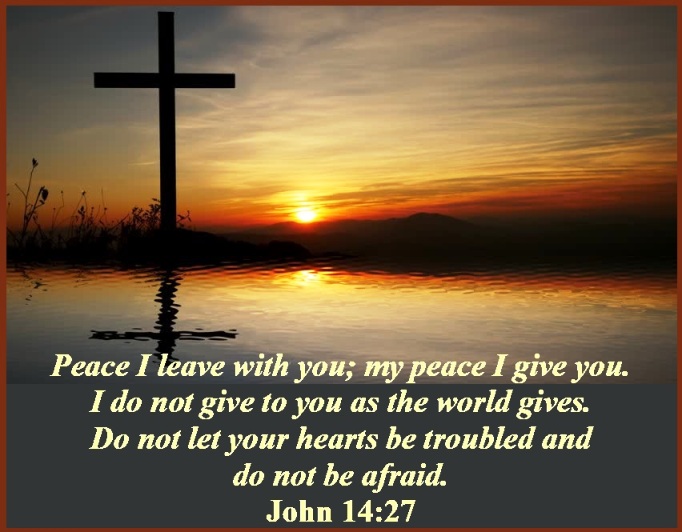
The night before His crucifixion, Jesus gave His disciples an amazing promise: “Peace I leave with you; My peace I give to you; not as the world gives do I give to you. Do not let your heart be troubled, nor let it be fearful” (John 14:27). Jesus wasn’t saying that life would always be tranquil but that they would have peace of mind and heart, even though their circumstances were painful, difficult, and uncertain. This is the same kind of peace Jesus promises to all of us who belong to Him; and one of the evidences of this relationship with Christ is that we strive to become peacemakers ourselves. 

Jesus laid down His life to make peace between God and sinners, and when we carry that message of peace to others, we become peacemakers. God delights in those who reconcile others to Himself—those who proclaim peace, who bring good tidings, who proclaim salvation, who say to Zion, “Your God reigns!” are called “beautiful” (Isaiah 52:7). 

Second, the most basic way of making peace is by connecting other people to the ultimate Prince of Peace, Jesus Christ. Because of sin, we are all born enemies of God, and the only way to be reconciled to Him is through faith in His Son for the forgiveness of our sins (Romans 5:8-11). 

For that reason, the most obvious way to do this is to share the gospel with others, and pray the Lord will open their hearts and minds to understand and believe. This is also accomplished by our conduct, which is also a means by which God uses to draw people to Himself. 

Jesus told His followers, “You are the light of the world … Let your light shine before men in such a way that they may see your good works, and glorify your Father who is in heaven” (Matthew 5:14, Matthew 5:16). 

Human life without a relationship with Christ is characterized by anxiety, fear, anger, and without a relationship with Him, no one will ever have genuine peace. The only things the world can offer are counterfeits that only provide temporary relief. 

When unbelievers see us going through hardships with a sense of peace and contentment, they may wonder what makes Christians so different. Hence, we must always be ready to gently and humbly tell them why we have Christ’s hope and peace in our hearts (1 Peter 3:15). 

Third, we are called to be peacemakers in our relationships, because, the internal peace Christ gives should also overflow into our relationships with others. Whenever we experience disagreements or conflicts, He can give us the peace of mind to respond in a godly manner that defuses aggression and hostility. As Paul told Timothy, “Gently instruct those who oppose the truth. Perhaps God will change those people’s hearts, and they will learn the truth” (2 Timothy 2:25). 

However, if we are preoccupied with exerting our rights, getting what we want, and proving the other person wrong, the contention will grow, and along with it anger, bitterness, and resentment. None of these can coexist with peace because they are negative emotions that keep our focus off the Lord and on our own selfish demands. 

James points out that there are two kinds of wisdom with which we can respond to conflicts (James 3:13-18). The wisdom from the world is natural and demonic. It’s characterized by bitter jealousy and selfish ambition and results in evil and disorder. But the wisdom from above is pure, peaceable, gentle, reasonable, full of mercy and good fruits, unwavering, and without hypocrisy. Those who make peace rely on God’s wisdom, which produces righteousness. 

The word for peace means to bind or join together; signifying oneness without strife or anxiety; and this should be our goal in every relationship. Although others may reject our attempts at peacemaking, we must remember that Jesus says we are blessed because as children of God we are reflecting Christ-like character in our conduct, conversation, and interactions with others. 

Only children of God can bring the peace of knowing God to others. A person must have a real relationship with God before he or she can help someone else know God. Those who witness for Christ, share their faith with their friends, and serve others in the name of Christ are the ambassadors for peace. Those who bring the wonderful message of God’s peace to the world are “peacemakers,” and Jesus calls them the “children of God.” 

Our hope is that you are a born again believer who tells people about Jesus Christ’s gift of reconciliation with God and who seeks to sow peace in every relationship. If you do this, you will be blessed and reap the fruit of righteousness. 

Always remember that it is God that “reconciled us to Himself through Christ and gave us the ministry of reconciliation” (2 Corinthians 5:18), and as a result we are to be His peacekeepers while on this earth. 

*******

Posted by: missionventureministries | August 5, 2020

FINDING HOPE IN DIFFICULT TIMES – Romans 15:13

I pray that God, the source of hope, will fill you completely with joy and peace because you trust in Him. Then you will overflow with confident hope through the power of the Holy Spirit. (Romans 15:13) 

Here Paul is praying for the believer stating that when we place our trust in God, the source of hope, He will fill us with peace and joy, through the power of the Holy Spirit. 

It is important to note that this impartation of hope requires the power of the Holy Spirit, as Christ promised Him to His disciples in Acts 1:8. The Holy Spirit is a gift that each born again believer receives and He enables us to overflow with hope. 

God proves His faithfulness to His people throughout the Bible, by leading them safely through unimaginable circumstances and delivering them from their predicaments and uncertainties. We need to understand that if we walk in fellowship with Him, God will never leaves or forsakes His people; His plans are to prosper you and not to harm you, plans to give you hope and a future (Jeremiah 29:11). 

Sadly most people understand hope as wishful thinking. This is not what the Bible means by hope. The biblical definition of hope is a firm assurance regarding things that are unknown, as we wait patiently and confidently for their realization (Romans 8:24-25). 

God wants us to trust in Him. Psalm 147:11 tells us that the Lord’s delight in those who put their hope in His unfailing love, and in Hebrews 10:23 we are told to rely on Him for He who promised, is faithful. 

To trust is to believe, to have confidence in the promises of God in all circumstances, even in those where the evidence seems to be to the contrary. Hebrews 11 talks about faith, which is accepting and believing the truth that God reveals about Himself; supremely in the person of His Son, the Lord Jesus Christ. Hence, the practical consequence of faith in God is trust, which we prove by living out our full acceptance of God’s promises day by day. It is by this trust that we are promised peace: “You will keep in peace him whose mind is steadfast, because he trusts in you” (Isaiah 26:3). 

Proverbs 3:5 tells us to: “Trust in the LORD with all your heart and lean not on your own understanding.” This verse sums up the Bible’s teaching on trust. It is in the Lord in whom we are to trust, not ourselves or our plans, and certainly not in the world’s ways. 

We trust in the Lord because He alone is truly trustworthy. His Word is trustworthy (Psalm 111:7; Titus 1:9), His nature is faithful and true (Deuteronomy 7:9; Psalm 25:10; 145:13; 146:6), and His plans for us are perfect and purposeful (Isaiah 46:10; Jeremiah 29:11). 

Further, because of God’s nature, we are to trust Him with all our hearts, committing every aspect of our life to Him in complete confidence; and we are not to trust in ourselves because our understanding is temporal, finite, and tainted by our sin nature. If we trust in ourselves without consulting God, disaster inevitably follows. 

Jesus is our solid Rock and therefore Christians can find peace during times of crises and trials that often drive others to do unthinkable things. Peace is the blessed comfort that the Holy Spirit, who indwells every born again believer, gives us. 

Christians can have the peace, joy, and hope that passes all understanding, (Philippians 4:7) even in the midst of terrible devastating experiences, because, even if we reach what we consider to be our most unbearable point, God’s Word says that He will never leave or forsake us, (Matthew 28:20). 

The Lord will give us peace and comfort even in the worst of circumstances, because, with Him, nothing is impossible. Always remember that “those who wait upon the Lord will get new strength. They will rise up with wings like eagles. They will run and not get tired. They will walk and not become weak” (Isaiah 40:31). And the Lord said: “Peace I leave with you; my peace I give you. I do not give to you as the world gives. Do not let your hearts be troubled and do not be afraid” (John 14:27). 

For that reason our soul should be quiet and wait for God alone, because, our hope comes from Him (Psalm 62:5). Therefore, “let us hold unswervingly to the hope we profess, for He who promised is faithful” (Hebrews 10:23).

 *******

Posted by: missionventureministries | July 29, 2020

CHOOSE YOUR FRIENDS CAREFULLY – Proverbs 12:26

The righteous choose their friends carefully, but the way of the wicked leads them astray. (Proverbs 12:26)

Christians need to understand that people are divided into only two categories, those who belong to the world and its ruler, Satan, and those who belong to God (Acts 26:18).

These two groups of people are described in terms of opposites all through the Bible:

  • those who walk in darkness / those who walk in the light;
  • those who obtain eternal life / those who will end up in eternal death;
  • those who have peace with God / those who are at war with Him;
  • those who believe the truth / those who believe in lies;
  • those on the narrow path to salvation / those on the broad road to destruction.

These are but a few examples that the Bible gives us and as we clearly see, the message of Scripture is that believers are completely different from nonbelievers, and it is from this perspective that we must discern what kind of friendships we can have with unbelievers.

The Word tells us that we should stay away from foolish people: “Walk with the wise and become wise, for a companion of fools suffers harm” (Proverbs 13:20); and “Stay away from a fool, for you will not find knowledge on their lips” (Proverbs 14:7).

It also tells us to stay away from people who lose their temper easily: “Do not make friends with a hot-tempered person, do not associate with one easily angered” (Proverbs 22:24).

These verses address those who have not been saved and warn us: “Don’t team up with those who are unbelievers. How can righteousness be a partner with wickedness? How can light live with darkness?” (2 Corinthians 6:14). And 1 Corinthians 15:33 tells us that bad company corrupts good character.

If we become deeply involved, either by friendship or a romantic relationship with non-Christians, we are setting ourselves up for a life of hurt and turmoil. The reason being is that the association with an unbeliever often causes the Christian to stumble in his walk, fall back into a sinful life and compromise their beliefs.

Another detrimental effect of closeness with unbelievers is the tendency of many, to water down the truths of Scripture so as to not offend them. There are difficult truths in the Word of God, truths such as judgment and hell. When Christians try to minimize or ignore these doctrines, they are dishonoring our heavenly Father.

Although close relationships with unbelievers are not recommended, it does not mean we ignore them either. Second Timothy 2:24-26 tells us that as servants of the Lord, we are to be kind and not quarrel with anyone. We should gently teach those who oppose the truth, and be patient with difficult people. And Matthew 5:16 tells us, “Let your good deeds shine out for all to see, so that everyone will praise your heavenly father.”

Many people have been saved because of the prayers and witness of Christians, so don’t reject unbelievers. But remember that having any kind of intimate relationship with an unbeliever can quickly and easily turn into something that is a hindrance to our walk with Christ.

We are called to evangelize the lost, but not to be intimate with them. It is good to get acquainted with unbelievers and even help them when they have a legitimate need – but the primary focus of such a relationship should be to win them to Christ by sharing the Gospel with them and demonstrating God’s saving power in our own lives.

If you are single and have not married yet, wait and pray. Let God lead you to the mate that He will want you to marry if it is in His will that you get married. 

Marriage is the closest most intimate human relationship in the world, if you marry a sinner you are walking into a hellish nightmare, of pain, loss, disease, possible harm and early death. 

It is insane to marry someone who is living a sinful life, because, if you marry a child of Satan he or she will most certainly influence you and your children to live an evil life. You will struggle to lift them up, while he or she will be determined to drag you and your children down to their sinful, rebellious lifestyle. 

God has given each of us instincts and He does not want us to go astray. Likewise, for those who are married and have children you also do not want your kids to go astray. You don’t want them to associate with the wrong kind of people, because, they can become easily corrupted in a very short time by bad and negative influences. As a result, you will become very protective of your children, and you will watch them very closely until they are old enough and biblically wise enough to start choosing who their true friends are going to be.

Remember, children are born sinful, naïve and foolish. They must be instructed and trained for godly living. Left to themselves they will follow the passion of their flesh and this includes choosing friends whose behavior and attitudes appeal to that sinful flesh. In contrast to the natural carnality of children, God’s standard for choosing friends is stated by the psalmist. “I am a friend to anyone who fears you—anyone who obeys your commandments” (Psalm 119:63). This standard must be taught and pressed home to the mind of every child. In order to be properly motivated and admonished to be faithful in this responsibility, parents must understand the biblical reasons why this standard must be taught to their children.

So pray, ask God for wisdom to choose friends and your mate wisely and don’t hang on to the so-called friends that do not honor the Lord with their lives.  

*******

Posted by: missionventureministries | July 22, 2020

HOW TO OVERCOME FEAR AND ANXIETY – 2 Timothy 1:7

“For God hath not given us the spirit of fear; but of power, and of love, and of a sound mind.” (2 Timothy 1:7) 

Although we like to think that we’re in charge of our lives, in reality, we don’t know what the next day may bring, let alone the next month or year. Life is full of uncertainties, but if we focus on the worst possibilities, we will live in a constant state of stress fear and anxiety. This is not what the Lord intends for us. His desire is to fill us with His peace, a peace that is not earthly, but goes beyond our circumstances (John 14:27). 

We need to understand however, that when God is neglected and the believer tries to live without the source of their salvation they loose communion with Him. And once we start abandoning God it becomes harder and harder to sense His presence and we start feeling fearful and alone. 

Sadly, many professing believers are neglecting God and that is why so many of them are weak, unable to reason and can’t handle situations that there are faced with. The antidote to this is to get alone with God. 

Jesus always found a lonely place to talk to His Father; and all of God’s faithful men took time to be alone with God seeking His direction. If we want to be strengthened by the Lord we need to make time for Him and ask for guidance and for help. The Bible tells us that: “You do not have because you do not ask God” (James 4:2). 

At times people say that they trust God but their actions prove otherwise. Fear and anxiety are the tools of the enemy. The Bible says “For God hath not given us the spirit of fear; but of power, and of love, and of a sound mind” (2 Timothy 1:7). 

When anxious thoughts come up, we have two options. We can either dwell on them or we can bring them to God and be victorious like the psalmist was: “I sought the LORD, and He answered me; He delivered me from all my fears” (Psalm 34:4).   

Paul gave the church in Philippi an antidote for anxiety when he told them: “Do not be anxious about anything, but in every situation, by prayer and petition, with thanksgiving, present your requests to God. And the peace of God, which transcends all understanding, will guard your hearts and your minds in Christ Jesus” (Philippians 4:6-7). 

When fear and anxiety about our future start to scare us, we need to look at the amazing examples the Bible provides of God’s rescue. Like with Moses, so much of what he experienced was unpredictable. After Moses escaped from Egypt, he lived as a shepherd in the desert for 40 years; this after having been raised in Pharaoh’s household, and now was being used by God to rescue the children of Israel from slavery in Egypt. How did he do it? Hebrews 11:27 says, “By faith he left Egypt, not fearing the wrath of the king; for he endured, as seeing Him who is Unseen.” 

The key to facing an uncertain future is having a relationship with our heavenly Father trusting in the Lord. 

Every true believer has a personal relationship with Jesus Christ as Lord and Savior, and that relationship includes intimate communion with Christ through prayer, praise, and meditation. When Jesus promised “I am with you always, to the very end of the age” (Matt. 28:20), He was speaking to all those through the ages who would place their faith in Him. 

When our hearts are pure through confession of sin and a lifestyle of obedience, our conscience is clear, and our minds are spiritually sensitive and discerning. And even though as human beings we can at times become fearful and anxious, we need to be reminded that we have been equipped with the mind of Christ, which He has given us by His Spirit (1 Corinthians 2:16). 

Therefore, with the awareness of God’s faithfulness, life’s uncertainties lose their power to make us fearful. We can trust God always since we see how He’s been with us in the past, working every situation out for our good and His glory. Instead of letting that fear and anxiety take over, always remember that God will teach us how to deal with anything that comes our way, if we trust in Him (Matthew 11:28-30). 

As the psalmist wrote, with the Maker of heaven and earth watching over us, we need not fear anything (Psalm 23:4; Psalm 121). 

And Psalm 91 gives assurance to those who “dwells in the shelter of the Most High” and who says of God, “He is my refuge and my fortress, my God, in whom I trust” (verses 1-2). 

We must always remember these amazing words especially now, in these times of uncertainty in the world that those who trust in God can live fearlessly: “You will not fear the terror of night, nor the arrow that flies by day, nor the pestilence that stalks in the darkness, nor the plague that destroys at midday. A thousand may fall at your side, ten thousand at your right hand, but it will not come near you” (Psalm 91:5-7). 

There is a direct correlation between faith and the confidence to face the dangers of life: “If you say, ‘The Lord is my refuge,’ and you make the Most High your dwelling, no harm will overtake you, no disaster will come near your tent” (Psalm 91:9-10). 

And finally we rest in God’s promise: “Because he loves me,” says the Lord, “I will rescue him; I will protect him, for he acknowledges my name. He will call on me, and I will answer him; I will be with him in trouble, I will deliver him and honor him” (Psalm 91:14-15). 

Remember, that when we choose this path of trust and obedience, God is glorified, and we are blessed.

*******

“This is what the Lord says… Jerusalem, ‘It shall be inhabited,’ of the towns of Judah, ‘They shall be rebuilt,’ and of their ruins, ‘I will restore them,’ who says to the watery deep, ‘Be dry, and I will dry up your streams,’ who says of Cyrus, ‘He is my shepherd and will accomplish all that I please; he will say of Jerusalem, “Let it be rebuilt,” and of the temple, “Let its foundations be laid.”’ (Isaiah 44:26-28) 

This is a remarkable prophecy, because many years before Jerusalem was invaded and its temple destroyed by the armies of Babylon, Isaiah was already prophesying it’s rebuilding! 

If you read Isaiah 44 and 45 which was written between 701 and 681 BC, you will find a prophecy that was ultimately fulfilled over one hundred years later in 537 BC. 

The great Persian emperor Cyrus, whose nation would eventually conquer Babylon, was here named by God over one hundred years before he would fulfill Isaiah’s prophecy. “I have aroused him (Cyrus) in righteousness and I will make all his ways smooth; he will build My city and will let My exiles go free, without any payment or reward,” says the Lord of hosts. (Isaiah 45:13). 

The Jews would survive Babylonian rule and return home as found in Jeremiah 32:36-37, which as written from about 626 and 586 BC, and was another prophet who made a bold prediction that was ultimately fulfilled in 537 BC. 

Jeremiah 32:36-37 tells us: “Now therefore, thus says the Lord, the God of Israel, concerning this city of which you say, ‘It shall be delivered into the hand of the king of Babylon by the sword, by the famine, and by the pestilence: Behold, I will gather them out of all countries where I have driven them in My anger, in My fury, and in great wrath; I will bring them back to this place, and I will cause them to dwell safely.” 

In this passage, Jeremiah said that the Jews would ultimately survive their captivity in Babylon and return home, and both parts of this prophecy were fulfilled. Many Jews had been taken as captives to Babylon beginning around 607 BC. But, in 537 BC, they were released from captivity and many eventually returned to their homeland. 

So let us take a look at history. 

God used Babylon as His agent of judgment against Israel for their sins of idolatry and rebellion against Him. There were actually several different times during this period (607-586 B.C.) when the Jews were taken captive by Babylon. With each successive rebellion against Babylonian rule, Nebuchadnezzar would lead his armies against Judah until they laid siege to Jerusalem for over a year, killing many people and destroying the Jewish temple, taking captive many thousands of Jews, and leaving Jerusalem in ruins. 

As prophesied in Scripture, the Jewish people would be allowed to return to Jerusalem after 70 years of exile. That prophecy was fulfilled in 537 B.C., and the Jews were allowed by King Cyrus of Persia to return to Israel and begin rebuilding the city and temple. 

Under the reign of King Nebuchadnezzar, the Babylonian Empire spread throughout the Middle East, and around 607 B.C., King Jehoiakim of Judah was forced into submission, becoming a vassal to Nebuchadnezzar (2 Kings 24:1). It was during this time that Nebuchadnezzar took many of the finest and brightest young men from each city in Judah captive, including Daniel, Hananiah (Shadrach), Mishael (Meshach) and Azariah (Abednego). 

After three years of serving Nebuchadnezzar, Jehoiakim of Judah rebelled against Babylonian rule and once again turned to Egypt for support. After sending his army to deal with Judah’s revolt, Nebuchadnezzar himself left Babylon in 598 B.C. to deal with the problem. Arriving in Jerusalem around March of 597 B.C., Nebuchadnezzar laid siege to Jerusalem, taking control of the area, looting it, and taking captive with him Jehoiakim’s son, Jehoiachin, his family, and almost all of the population of Judah, leaving only the poorest people of the land (2 Kings 24:8-16). 

At that time Nebuchadnezzar appointed King Zedekiah to rule as his representative over Judah, but after nine years and still not having learned their lesson, Zedekiah led Judah in rebellion against Babylon one final time (2 Kings 24–25). Influenced by false prophets and ignoring Jeremiah’s warnings, Zedekiah decided to join a coalition that was being formed by Edom, Moab, Ammon and Phoenicia in rebellion against Nebuchadnezzar (Jeremiah 27:1-3). This resulted in Nebuchadnezzar again laying siege to Jerusalem. Jerusalem fell in 587 / 586 BC, and Zedekiah was taken captive to Babylon. At this time Jerusalem was laid to waste, the temple destroyed and all the houses burned. The majority of the Jewish people were taken captive, but, again, Nebuchadnezzar left a remnant of poor people to serve as farmers and vinedressers (2 Kings 25:12). 

The books of 2 Chronicles and 2 Kings deal with much of the time leading up to the falls of both the Northern Kingdom and Judah. They also cover the destruction of Jerusalem by Nebuchadnezzar and the beginning of the Babylonian captivity. Jeremiah was one of the prophets during the time leading up to the fall of Jerusalem and the exile, and Ezekiel and Daniel were written while the Jews were in exile. Ezra deals with the return of the Jews as promised over 70 years before by God through the prophets Jeremiah and Isaiah. The book of Nehemiah also covers the return and rebuilding of Jerusalem after the exile was over. 

The Babylonian captivity had one very significant impact on the nation of Israel when it returned to the land. We see those accounts in Ezra and Nehemiah as the nation would once again return to the God who had delivered them from their enemies. 

The seventy-year period of the Babylonian captivity is an important part of Israel’s history, and Christians should be familiar with it. Like many other Old Testament events, this historical account demonstrates God’s faithfulness to His people, His judgment of sin, and the surety of His promises. 

There are literally hundreds of other fulfilled prophecies that we could describe here, but clearly the greatest one was a prophecy that predicted the coming of a Messiah, a savior who would deliver the Jews as Daniel wrote during his captivity in Babylon in 538 B.C. and found in Daniel 9. 

“Know and understand this: From the time the word goes out to restore and rebuild Jerusalem until the Anointed One, the ruler, comes, there will be seven ‘sevens,’ and sixty-two ‘sevens.’ It will be rebuilt with streets and a trench, but in times of trouble. After the sixty-two ‘sevens,’ the Anointed One will be put to death and will have nothing. The people of the ruler who will come will destroy the city and the sanctuary. The end will come like a flood: War will continue until the end, and desolations have been decreed” (Daniel 9:25-26). 

The chapter begins with Daniel praying for Israel, acknowledging the nation’s sins against God and asking for God’s mercy. As Daniel prayed, the angel Gabriel appeared to him and gave him a vision of Israel’s future. 

In verse 24, Gabriel says, “Seventy ‘sevens’ are decreed for your people and your holy city.” Almost all theologians agree that the seventy “sevens” should be understood as seventy “weeks” of years, in other words, a period of 490 years. These verses provide a period of time that gives an idea of when the Messiah would come and some of the events that would accompany His appearance. 

The prophecy goes on to divide the 490 years into three units: The first one of 49 years, the second one of 434 years, and the final one 7 years. The final “week” of 7 years is further divided in half when the great tribulation occurs on earth. 

Verse 25 states, “From the time the word goes out to restore and rebuild Jerusalem until the Anointed One, the ruler, comes, there will be seven ‘sevens,’ and sixty-two ‘sevens.’” Seven “sevens” is 49 years, and sixty-two “sevens” is another 434 years:  49 years + 434 years = 483 years 

The prophecy contains a statement concerning God’s six-fold purpose in bringing these events to pass. Verse 24 says this purpose is:

  1. “to finish transgression,”
  2. “to put an end to sin,”
  3. “to atone for wickedness,”
  4. “to bring in everlasting righteousness,”
  5. “to seal up vision and prophecy,” and
  6. “to anoint the Most Holy.”

Notice that these results concern the total eradication of sin and the establishing of righteousness. The prophecy of the 70 weeks summarizes what happens before Jesus sets up His millennial kingdom. Of special note is the third in the list of results: “to atone for wickedness.” Jesus accomplished the atonement for sin by His death on the cross (Romans 3:25; Hebrews 2:17). 

Gabriel said the prophetic clock would start at the time that a decree was issued to rebuild Jerusalem. From the date of that decree to the time of the Messiah would be 483 years. We know from history that the command to “restore and rebuild Jerusalem” was given by King Artaxerxes of Persia c. 445 B.C. (Nehemiah 2:1-8). 

The first unit of 49 years (seven “sevens”) covers the time that it took to rebuild Jerusalem, “with streets and a trench, but in times of trouble” (Daniel 9:25). This rebuilding is chronicled in the book of Nehemiah. 

Using the Jewish custom of a 360-day year, 483 years after 445 B.C. places us at A.D. 30, which would coincide with Jesus’ triumphal entry into Jerusalem (Matthew 21:1-9). The prophecy in Daniel 9 specifies that after the completion of the 483 years, “the Anointed One will be cut off” (verse 26). This was fulfilled when Jesus was crucified. 

Daniel 9:26 continues with a prediction that, after the Messiah is killed, “the people of the ruler who will come will destroy the city and the sanctuary.” This was fulfilled with the destruction of Jerusalem in A.D. 70. The “ruler who will come” is a reference to the Antichrist, who, it seems, will have some connection with Rome, since it was the Romans who destroyed Jerusalem. 

Of the 70 “sevens,” 69 have been fulfilled in history. This leaves the last “seven” yet to be fulfilled. Most scholars believe that we are now living in a huge gap between the 69th week and the 70th week. And now we wait for the completion of the final “seven” of Daniel, which will be when the tribulation period takes place. 

Daniel’s prophecy reveals some of the actions of the Antichrist, the “ruler who will come.” Verse 27 says, “He will confirm a covenant with many for one ‘seven.’” However, “in the middle of the seven . . . he will set up an abomination that causes desolation” in the rebuilt temple in Jerusalem. Jesus warned of this event in Matthew 24:15. After the Antichrist breaks the covenant with Israel, a time of “great tribulation” begins (Matthew 24:21). 

Daniel also predicts that the Antichrist will face judgment. He only rules “until the end that is decreed is poured out on him” (Daniel 9:27). God will only allow evil to go so far, and the judgment the Antichrist will face has already been planned out. 

As we see, the prophecy of the 70 weeks is complex and amazingly detailed, and much has been written about it. God has a time table, and He is keeping things on schedule. He knows known the end from the beginning (Isaiah 46:10). Therefore we should always be ready for Jesus’ imminent return for His church when we will meet the Lord in the air (1 Thessalonians 4:16-18; 1 Corinthians 15:51-52). We should never forget what Revelation 3:10 tells the believers in Christ “because you have kept my word about patient endurance, I will keep you from the hour of trial that is coming on the whole world, to try those who dwell on the earth.” Believers will without doubt be removed from this earth before all this takes place. Then, those who are left behind, and who eventually will seek answers in Scripture will have an even better understanding that they are about to enter the last seven year of Daniel’s 70th week prophecy. 

Remember, God controls the future and as believers we should believe these very facts as proof that He will keep all His other remarkable prophesies that are still to be fulfilled. 

*******


Posted by: missionventureministries | July 8, 2020

IF WE LET GOD GUIDE HE WILL PROVIDE – Philippians 4:19

“My God will supply all your needs according to His riches in glory in Christ Jesus.” (Philippians 4:19)

God is concerned with every part of our being: spirit, soul, and body. Just as the facets of His character are infinite, we can trust His goodness, guidance, and shepherding care to do more for us than we can ask or imagine (Ephesians 3:20). 

If we are willing, God provides a way for us to develop an intimate, obedient relationship with Him so that we can lead ourselves and others into a quality of life as seen in Psalm 23; because, those whose Shepherd is the Lord can say, “I lack nothing” (Psalm 23:1). 

In the Lord’s Prayer, Jesus teaches His disciples to ask for provision, and our dependence on God is affirmed each time we pray, “Give us this day our daily bread” (Matthew 6:11). In Matthew 6:24-25, Jesus tells His disciples not to worry about food or clothing. The Father knows our needs. He desires a covenant relationship with us, that involves trusting Him to meet our daily requirements, which seeks first His kingdom and His righteousness (Matthew 6:33). 

Psalm 84:11 states, “No good thing does He withhold from those who walk uprightly;” meaning those who live an obedient life obeying His commandments. 

Many passages about God’s provision relate to our need for food and clothing and the daily, physical needs of life. Others refer to the needs of our soul and spirit, our inner man. He provides us with peace (John 14:27), comfort (2 Corinthians 1:4), and “power, love and self-discipline” (2 Timothy 1:7). In fact, He “has blessed us in the heavenly realms with every spiritual blessing in Christ” (Ephesians 1:3). Therefore, we should realize that in whatever physical state we find ourselves, we can be content when we walk with the Lord (Philippians 4:12). 

Passages such as Galatians 1:15 and Jeremiah 1:5 give us an assurance that God’s love and direction began even before conception. What a blessing it is to know that God has been involved in our lives from the very start! His love for us is encompassed in His desire for our greatest well being. He is truly our Jehovah-Jireh, the Lord Who Provides. 

However, we need to understand there’s not a day when we are not faced with challenges. The challenges come in different ways, but they come every day. How we deal with these challenges determines how we grow in our relationship with God. 

As we read the story of Abraham, we see that he was about to move into a new level of achievement greater than he could imagine. God put a test before him simply to bring him to a place where God could use him effectively. God had to test the faith, courage and obedience of Abraham as we read in Genesis 22:1-14. And He will test us also maybe not to the same degree as He did Abraham but He will test our loyalty and faithfulness to Him. 

In this day and age Satan is doing everything within his power to control the direction of every life on this planet. He is trying his best to place fear into people’s hearts because for many as soon as they open their eyes upon waking, they are vividly reminded that we live in dangerous times. He is doing this by weaving his ways into this world through the media as he portrays his evil, perverted plan by using his minions over the air-ways through Television, radio, the Internet and the false news controlled by satanic agents. 

Sadly, Satan has also found his way into the churches throughout our world, since many churches are filled with people and preachers who are total hypocrites putting on a show of religion and pretending to be real “Christians.”

We must be willing to be strong and be reminded that as Christians we belong to God and have greater power than our enemy as John tell us – you are from God and have overcome them, for He who is in you is greater than he who is in the world (1 John 4:4).

Remember, that with every challenge God will provide a solution or an escape (1 Corinthians 10:13). God will never ask us to do something that He will not enable us to do or provide the necessary way out. 

As with Abraham, when he and Isaac walked toward the mountain top Isaac asked his father where the sacrifice was; and his father responded, “God himself will provide the lamb for the burnt offering, my son” (Genesis 22:8). And God indeed provided a sacrificial ram that had his horns caught in the brush. So Abraham called that place The Lord Will Provide. And to this day it is said, “On the mountain of the Lord it will be provided” (Genesis 22:13-14). 

We can never see the hand of God move on our behalf until we step out beyond our own abilities and obey God’s Word and His commands. 

We can experience God’s gracious guidance and provision only when we are living a life of holiness and obedience and exercising great faith. 

There are so many examples of God’s provisions in the Bible here are only a few: 

  • When God led the children of Israel out of Egypt He gave them favor with the Egyptians to the point they loaded them down with precious things of great worth. (Exodus 12:35-36) 
  • While the children of Israel wander in the wilderness God provided for them daily bread, water from the rock and shelter from the cloud that followed them. (Exodus 16:4-5, Exodus 17:6) 
  • When the disciples had fished all night and caught nothing was not Jesus standing there on the seashore with the command to drop the net on the other side of the boat and they caught so many fish they could not pull them into the boat and needed help? (John 21) 

Another example of great provision was when in Nehemiah’s time the Israelites were giving up on re-building the wall in Jerusalem and he told them “Don’t be afraid of them,” he encouraged, “Remember the Lord, who is great and awesome, and fight for your families, your sons and your daughters, your wives and your homes” (Nehemiah 4:14). 

In Nehemiah’s day, each person / family / tribe took a portion of the wall to rebuild. Some took a small portion, others took large portions. Each did what they were able. The result was the walls were rebuilt in just 52 days. 

We need to understand that if we begin to rebuild what is on God’s heart, which is obedience to His directives He will step in and do His part. We will see revival in the church which we desperately need and also for justice to prevail in our land. 

So how do we do it? We take action and follow God’s word as Nehemiah did: 

  1. Fast and pray (Nehemiah 1:4).
  2. Repent (Nehemiah 1:6-7).
  3. Remind God of His Word to other faithful men (Nehemiah 1:8-9).
  4. Rally people to rebuild (Nehemiah 2:17).
  5. Do not be afraid of them – those who want to do us harm (Nehemiah 4:14).
  6. Trust in the Lord. Stand up and take action (Nehemiah 4:14). 

In times of fear and uncertainty, the best thing we can do is strengthen our faith with the reminder that God is with us. 

This is especially crucial for the times in which we’re living. There is so much turmoil, anxiety, and pain. But the circumstances in our nation and world do not control our lives or determine our futures, it is God who controls everything, and the Lord is the One who fights for us. 

Therefore, we are calling on all prayers worriers throughout the world to be obedient to God’s word, to pray and trust that: “If we let God, He will guide us and He will provide!”

*******

Posted by: missionventureministries | July 1, 2020

BEING OBEDIENT TO GOD’S WORD – Luke 11:28

“Blessed are those who hear the word of God and keep it!” (Luke 11:28) 

Obedience involves listening attentively with a heart willing to obey God’s word. 

From Genesis to Revelation, the Bible has a lot to say about obedience. In the Ten Commandments, God gives us laws that we should obey and in Deuteronomy 11:26-28 He sums it up like this: “Obey and you will be blessed. Disobey and you will be cursed.” And in the New Testament, we learn through the example of Jesus Christ that believers are called to a life of obedience. 

Today, we are not called to obey the Law of Moses, because that has been fulfilled in Christ (Matthew 5:17). We are to obey the “law of Christ,” which is a law of love (Galatians 6:2; John 13:34). Jesus stated the two greatest commands of obedience when He said: “Love the Lord your God with all your heart and with all your soul and with all your mind.’ This is the first and greatest commandment. And the second is like it: ‘Love your neighbor as yourself” (Matthew 22:36-39). 

If we love God, we will obey Him and will have a desire to submit to the Lord, and when we love God and obey Him, we naturally have love for one another. Obedience to God’s commands will make us light and salt in a dark and tasteless world (Matthew 5:13-16). 

Obedience to God proves our love for Him (1 John 5:2-3), demonstrates our faithfulness to Him (1 John 2:3-6), glorifies Him in the world (1 Peter 2:12), and opens avenues of blessings for us (John 13:17). 

The Bible has much to say about obedience. In fact, obedience is an essential part of the Christian faith. Jesus Himself was “obedient unto death, even death on a cross” (Philippians 2:8). For Christians, the act of taking up our cross and following Christ (Matthew 16:24) means obedience. The Bible says that we show our love for Jesus by obeying Him in all things: “If you love Me, keep My commandments” (John 14:15). And when we do not obey – Jesus asks: “Why do you call me, ‘Lord, Lord,’ and do not do what I say?” (Luke 6:46). 

When we look up the meaning of obedience it is defined as “dutiful submissive compliance to the commands of one in authority.” Using this definition, we will see the elements of biblical obedience.

  • Dutiful, means it is our obligation to obey God, just as Jesus fulfilled His duty to the Father by dying on the cross for our sin.
  • Submissive, indicates that we yield our will to God’s.
  • Commands, speaks of the Scriptures in which God has clearly delineated His instructions. And,
  • One in authority, is God Himself, whose authority is total and indisputable. 

For the Christian, obedience means complying with everything God has commanded, and we obey Him because we love Him (John 14:23) and should do so with a grateful and humble heart for what He has done for us. 

When we obey the Lord, we can live a life of joy, without shame, rooted deeply in the Lord and confident in our eternal hope. Because, “Where the Spirit of the Lord is, there is freedom” (2 Corinthians 3:17). Our obedience is actually part of our assurance that we truly know God because we keep His commandments (1 John 2:3). 

When God’s children obey their Heavenly Father, He is glorified. Jesus told us that the plan is for others to “see your good deeds and glorify your Father in heaven” (Matthew 5:16). Of course, to perform “good deeds” requires obedience to the One who calls us to do good deeds. 

A Christian’s testimony of holiness is a strong witness that God is at work in the world and the Bible tells us that God blesses and rewards obedience. Therefore, we are to listen to the word and do what it says (James 1:22). Because, “Blessed are all who fear the LORD, who walk in obedience to Him” (Psalm 128:1). 

We must always remember not to be like the Pharisees in Jesus’ time, which relentlessly pursued acts of obedience to the Law, but they became self-righteous, believing they deserved heaven because of what they had done. They considered themselves worthy before God, and expected Him to owe them a reward; however, the Bible tells us that, without Christ, even our best, most righteous works “are as filthy rags” (Isaiah 64:6). 

The Pharisees’ external obedience however lacked humility, honesty, sincerity and truth; and Jesus exposed their attitude of heart. Their hypocrisy in obeying the “letter of the law” while violating its spirit characterized their lives, and Jesus rebuked them sharply: “Woe to you, scribes and Pharisees, hypocrites! For you are like whitewashed tombs, which indeed appear beautiful outside, but inside they are full of dead men’s bones, and of all uncleanness. Even so you also appear righteous to men outwardly, but inside you are full of hypocrisy and iniquity” (Matthew 23:27-28). The Pharisees had an outward appearance of being obedient, but they “neglected the more important matters of the law—justice, mercy and faithfulness” (Matthew 23:23). 

We can never be prideful about how perfectly we are obeying God because He is continually asking us to move into new levels of growth. Nor can we go to the other extreme, saying “This is just the kind of person I am, undisciplined, un-changeable and un-teachable.” We have no excuse for not doing what we need to do when God says He will enable us to do it. All we need to do is to call upon Him for help. 

Therefore, we should say “Lord, help me to be disciplined enough to obey You the way You want me to, so that I can become the person You created me to be.”  God will hear our plea and will enable us to obey because, once we believe in Christ and are saved we are not the same people we once were; because, if anyone is in Christ, he is a new creation; old things have passed away; behold, all things have become new (2 Corinthians 5:17). 

Jesus told His followers about being obedient when He said: “He who has My commandments and keeps them, it is he who loves Me. And he who loves Me will be loved by My Father, and I will love him and manifest Myself to him” (John 14:21). 

Please remember that, God “will repay each person according to what they have done.” To those who by persistence in doing good seek glory, honor and immortality, He will give eternal life. But for those who are self-seeking and who reject the truth and follow evil, there will be wrath and anger” (Romans 2:6-8). 

So which will you choose – temporal pleasures without obedience, or submission and eternal life?

*******

Posted by: missionventureministries | June 24, 2020

THERE ARE ACCEPTABLE AND DETESTABLE PRAYERS – Proverbs 28:9

“If anyone turns a deaf ear to my instruction, even their prayers are detestable.” (Proverbs 28:9) 

There are some prayers that God detests, strange as that may seem. In fact, our very prayers can even condemn us as Psalm 109:7 points out: “When he is tried, let him be found guilty, and may his prayers condemn him.” 

God wants us to always have an open and attentive ear towards His instruction. To have no hunger for God’s word or to turn a deaf ear to His instruction is a sign of willful spitefulness and rebellion. Pretending to speak to God from a disobedient heart will avail a person nothing because God is not going to hear or honor the one who neglects His word. 

When a person who deliberately turns “a deaf ear to His instruction”, and prefers to do thing his own way his prayer becomes worthless. God hates such prayers and those who pray them should not be surprised when He does not give them their request. Isaiah 59:1-2 says: “Surely the arm of the Lord is not too short to save, nor His ear too dull to hear. But your iniquities have separated you from your God; your sins have hidden His face from you, so that He will not hear.” 

The Bible states that, “If we say that we have no sin, we deceive ourselves” (1 John 1:8). Therefore, the obvious remedy is to ask the Lord, through His Word, to “see if there be any wicked way in me” (Psalm 139:24), and then to confess and forsake any sin that we are aware of, or that is revealed to us. Because: “If we confess our sins, He is faithful and just to forgive us our sins, and to cleanse us from all unrighteousness” (1 John 1:9). 

Then, having been cleansed from our unrighteousness, we are again made righteous, not only through Christ’s imputed righteousness, but also in righteous, daily living. It is only then that the promises of answered prayer can again become wholly effective, for “the effectual fervent prayer of a righteous man avails much” (James 5:16). 

It is vital to know and obey the Word of God, and to recognize how dangerous it is to turn our ears away from it. For God will not be mocked for long! “Because, the eyes of the Lord are on the righteous and His ears are attentive to their prayer, but the face of the Lord is against those who do evil” (1 Peter 3:12). 

God wants us to pray. He has created prayer as a means by which we can enjoy Him (Revelation 3:20), confess our sin (1 John 1:9), ask Him to meet our needs (Psalm 50:15), and align our wills with His (Jeremiah 29:11-12; Luke 22:42). 

One kind of prayer is guaranteed to be granted ‘God, have mercy on me, a sinner,’ found in Luke 18:13-14, which describes the prayer of repentance. When we call upon the Lord in humble repentance, He is eager to justify and forgive us. 

On the other hand, when we choose to hold on to sin, rather than repent and change, God will not hear our prayers. “If anyone turns a deaf ear to my instruction, even their prayers are detestable” (Proverbs 28:9). For instance, you cannot be doing something that goes against God’s will, like living together in sexual sin, yet pray for God’s blessing on your union. 

Another way that God will not hear is when we ask according to our own selfish desires. “When you ask, you do not receive, because you ask with wrong motives, that you may spend what you get on your pleasures” (James 4:3). 

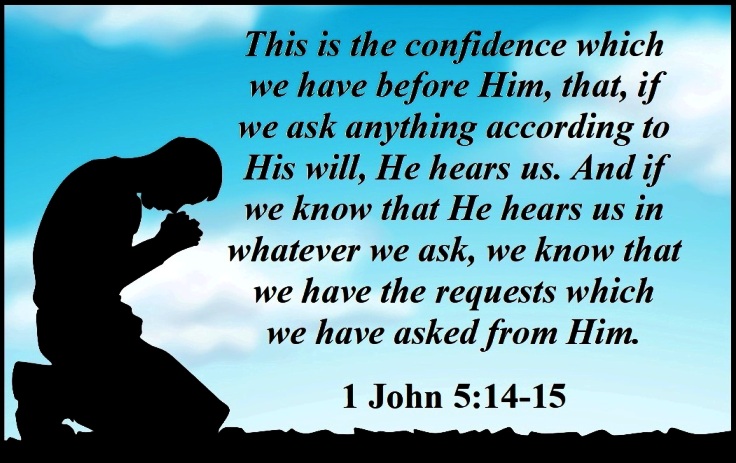
When we pray we need to remember to ask with faith, trusting that He hears us and will grant every request that is in line with His will for us (Mark 11:24; 1 John 5:14–15). 

It is very important that we understand that God is holy and desires us to be holy as He is (Leviticus 22:32; 1 Peter 1:16). When He sees that we are seeking that holiness as well, He is delighted to answer our prayers in ways that continue our spiritual growth. Jesus said, “If you remain in Me and my words remain in you, ask whatever you wish, and it will be done for you” (John 15:7). 

The secret to prayer is abiding in Christ so that whatever we ask is in accordance with His will. “Take delight in the Lord, and He will give you the desires of your heart” (Psalm 37:4). 

If you are a new believer or one that has know the Lord for many years the best way to pray to God is using His Word. There are many prayers in the Bible; here are some examples that you might want to use in your prayer time so that you can grow in passion, faith and obedience. 

2 Timothy 2:15 – Fill me with the desire to do my very best to present myself to You Lord as one approved, a worker who has no need to be ashamed. Grant me understanding and discernment to rightly read and share Your Word. 

2 Thessalonians 3:3-5 – Because You Lord are faithful, I pray you strengthen me and guard me from the evil one and cause me to be confident in You so I will continue to do the things You command. May You lead my mind into a full understanding and expression of Your love and the patient endurance that comes from Jesus Christ. 

Philippians 1:9-11 – I pray that Your love will overflow more and more, and that I will keep on growing in knowledge and discernment. May I understand what really matters, so I may live a pure and blameless life. Cause me to be filled with the fruit of Your salvation, may Your righteousness be seen in my life as I walk with Jesus to bring You glory and honor. 

Psalm 139:23-24Search me, O God and know my heart, try me and know my thoughts and see if there be any wicked way in me, then lead me to You in repentance and in Your way everlasting. 

2 Corinthians 5:17-19 – Help me to see the new creation You are making me to be. Thank you that I am reconciled to You Lord and may I take the ministry of reconciliation to those around me. May I be worthy of this task You have given me. 

Ephesians 5:2 – Help me to be an imitator of Jesus in all my thoughts, words and deeds. 

Galatians 2:20 – Cause this verse to be true of my life, my desires and my attitudes: “I have been crucified with Christ. It is no longer I who live, but Christ who lives in me. And the life I now live in the flesh I live by faith in the Son of God, who loved me and gave Himself for me.” 

Philippians 2:3 – Let me do nothing from selfishness or empty conceit, but with humility of mind regard one another as more important than me. May You Lord be seen in me in all my ways. 

And as you pray for the lost you can use these verses: 

Romans 10:9-10 – Father please bring (name of person) to the place where (he or she) can confess that Jesus is Lord and believe in their heart that You raised Him from the dead. Bring (name of person) to salvation, Your peace and love. 

Acts 4:12 – Grant (name of person) the knowledge and belief that salvation is found in no one other than Jesus, for no one can come to You Father, except through Jesus Christ. As Jesus said: “I am the way and the truth and the life. No one comes to the Father except through Me” (John 14:6). 

And finally always remember, “Do not be anxious about anything, but in everything by prayer and supplication with thanksgiving let your requests be made known to God. And the peace of God, which surpasses all understanding, will guard your hearts and your minds in Christ Jesus” (Philippians 4:6-7).

*******

Posted by: missionventureministries | June 17, 2020

ROCK AND ROLL – THE GREAT EVIL IN THE CHURCH TODAY – 2 Corinthians 6:14-17

This week, we have came across articles about rock and roll music in the church and feel the urgency to share the danger it presents, with the pastors and lay people that follow our blog. The contents of this writing describe the deceit and evil of entertainment vs. honest, humble worship in the Church. 

The great evil in the church today is that they think they are in the entertainment business. 

A.W. Tozer believed this already to be true back in the 1950s and 60s. Church members “want to be entertained while they are being edified,” he said this in 1962. Tozer grieved, that it was “hardly possible in most churches to get anyone to attend a meeting where the only attraction was God.” 

More recently, David Platt has asked: “What if we take away the rock music and the comfortable chairs? What if the screens are gone and the stage is no longer decorated? What if the air conditioning is off and the comforts are removed? Would His Word and worshiping Christ still be enough for His people to come together?” 

Would it be enough? 

Tozer got it right: “Deceitful methods and false music is as deadly as deceitful messages.” 

HOLY LIVING AND HOLY WORSHIP VERSUS SUPERFICIAL, FALSE WORSHIP

Like Tozer, we should be concerned that so many people in our churches want to be entertained while they worship another god. We should be concerned when people no longer recognize the difference between the holiness and worldliness. And we should be alarmed by the growing belief that adding more entertainment to worship is necessary for the church to accomplish its mission. 

We are saddened when we see the so-called cults characterized more by props, performances, with disco atmospheres than by divine sacredness that shows humble, holy respect for God. These people are controlled by phony worship, and influenced emotionally by demons who are from hell and controlled by Satan-inspired deceivers. 

Please understand that this is not about worship styles. The issue is not traditional versus contemporary worship. It’s not about organ versus worship band. That kind of discussion misses the point completely. What we are talking about is the focus and intention of worship that comes from the heart. The real issues are these: 

  1. Who or what is the spotlight really on? 

If the center of attention focuses more on the human performance than on the gospel of Christ, it is not worship. If anyone other than Jesus is receiving our adoration, it is not our Creator that people are worshiping. 

Many churches have started dancing where their whole congregation turns what should be a humble worship service into a disco club performance. 

These dancers pretend to be more spiritual with their show, than the honest, humble people who want to worship God in the beauty of His Holiness. 

In their pride, these people try to make their dance and gymnastic moves look super spiritual by calling it “Davidic dancing” or “dancing before the Lord.” Some call it Messianic dancing, this title is deceitful and brings great dishonor to our wonderful Creator and Savior. Remember, the Messiah condemned all proud, deceitful religious shows and show offs. 

Many people condemn us for bringing this to their attention, they say that times have changed and that we are legalistic, when there is no where in the Bible where dancing is preformed in either the Temple, in the Synagogue or in the New Testament church. 

  1. So what message are we communicating? 

The message that the world needs to hear from the church is NOT, “Come and have a good time,” “Come and be entertained,” or “Come and find your best life now.” 

Tozer said: “Christ calls men to carry a cross; however, today the church draws people to come and have fun in His name.” 

The message of the church is the message of the cross. Lest we forget, Jesus’ cross was a source of entertainment only for those who mocked Him as He hung on it. 

Worshiping our Creator God is not about being entertained and getting euphoric. Worship is laying down our lives, honoring the God who died for us, and receiving His grace. 

  1. Are lives really transformed? 

Some will say, “But our methods are attracting and winning people!”  

Tozer responded to that comment by asking: “Attracting and winning them to what? To true discipleship? To carrying their own cross? To self-denial? To separation from the world? To crucifixion of the flesh? To holy living? To nobility of character? To a despising of the world’s treasures? To self-discipline? To love for God? To total committal to Christ?” 

THE WORD DOES THE WORK  

David Platt and the church he leads, at McLean Bible Church, decided to try to answer the question, “Is His Word still sufficient for His people to come together?” They eliminated all entertainment and invited people to come simply to study God’s Word and called it Secret Church. They set a date—on a Friday night—when they would gather from 6:00 in the evening until midnight, and for six hours they would do nothing but study God’s Word and pray. People came; a thousand people came the first time and the church grew from then on. Soon, they had to start taking reservations because the church was packed full. Secret Church now draws tens of thousands of people via simulcast in over 50 countries around the world—with no entertainment, or any other distractions. 

Why do they come? Platt explained in an interview: “People are hungry for the Word. There’s really nothing special or creative about it. It’s just the study of the Word …. The Word itself does the work!” 

People are hungry for a diet that has substance. They want more of the Word; and to delve deeper into its content; and they don’t want what Tozer called “religious nonsense and unimportant matters.” 

JUDGMENT IS COMING ON RELIGIOUS ROCK AND ROLL

This is a warning to anyone involved with Satan’s inspired religious rock and roll, which is an abomination to God. By listening to “religious rock and roll” you are harming not only yourself but God’s children as well, who are ignorant to the truth behind this music. 

Therefore, we need to be aware of the Lord Jesus’ warnings: “But whoever causes one of these little ones who believe in Me to sin, it would be better for him if a millstone were hung around his neck, and he were drowned in the depth of the sea” (Matthew 18:6). 

If you truly love the Lord Jesus and have the Holy Spirit living in you, you will forsake this evil music. If not God will judge those who are rebellious, because He has always judged sin and rebellion in the past, and He is going to do it again; do you want God’s judgment in your life? 

The Bible warns: “Now upon you I will soon pour out My fury, and spend My anger upon you; I will judge you according to your ways, and I will repay you for all your abominations. ‘My eye will not spare, nor will I have pity; I will repay you according to your ways, and your abominations will be in your midst. Then you shall know that I am the Lord who strikes” (Ezekiel 7:8-9). 

“But when a righteous man turns away from his righteousness and commits iniquity, and does according to all the abominations that the wicked man does, shall he live? All the righteousness which he has done shall not be remembered; because of the unfaithfulness of which he is guilty and the sin which he has committed, because of them he shall die” (Ezekiel 18:24). 

“Woe to those who call evil good, and good evil; who put darkness for light, and light for darkness; who put bitter for sweet, and sweet for bitter!” (Isaiah 5:20). 

“Do you not know that friendship with the world is enmity with God? Whoever therefore wants to be a friend of the world makes himself an enemy of God” (James 4:4). 

As we read these verses, we notice that it’s our choice to obey or rebel. 

A WARNING TO PASTORS

 “And He (Jesus) said to them, “It is written, ‘My house shall be called a house of prayer,’ but you have made it a ‘den of thieves’” (Matthew 21:13). 

This verse has real meaning today in light of “religious rock music”. God’s temple was not intended to become a den of thieves. This verse says: “but you have made it “, referring to the fact that it was the religious leaders that allowed the temple to go from a house of prayer to a den of thieves. 

Church leaders and pastors have an awesome responsibility and they will give an account as to how they pastored the church under their care. If the pastor allows foolishness and evil to come in, it will affect God’s people in a negative way by causing a love for the world and carnality. 

So if you are not familiar with this passage read it carefully. This I what God said to Ezekiel: “I have made you a watchman for the house of Israel; therefore you shall hear a word from My mouth and warn them for Me. When I say to the wicked, ‘O wicked man, you shall surely die!’ and you do not speak to warn the wicked from his way, that wicked man shall die in his iniquity; but his blood I will require at your hand. Nevertheless if you warn the wicked to turn from his way, and he does not turn from his way, he shall die in his iniquity; but you have delivered your soul” (Ezekiel 33:7-9). 

If pastors keep out evil and concentrate on building up God’s people with the Word of God, the church will grow and mature. “Therefore take heed to yourselves and to all the flock, among which the Holy Spirit has made you overseers, to shepherd the church of God which He purchased with His own blood” (Acts 20:28). 

The tragedy of the religious rock craze is that this demonic music would never have made it into the churches if pastors and church leaders had obeyed God and closed the door to this evil. 

Pastors, when you indulge in ungodly entertainment and compromised living then demonstrate your “freedom” by speaking about it from the pulpit, referencing the latest unclean movie in your “oh-so-cool sermons”; you are causing damage on those whom Jesus has cleansed, encouraging them to follow in your footsteps and going even further. Remember the verse we have already used. “But whoever causes one of these little ones who believe in Me to sin, it would be better for him if a millstone were hung around his neck, and he were drowned in the depth of the sea” (Matthew 18:6). 

For those pastors and church leaders that take their job lightly and are not committed to building up and protecting God’s church should repent and remember that “we must all appear before the judgment seat of Christ, that each one may receive the things done in the body, according to what he has done, whether good or bad” (2 Corinthians 5:10). And if you do not repent you will have to appear before the Great White Throne Judgment and you will be cast into the Lake of Fire forever. 

To the sheep who are being misled, we urge you in the fear of the Lord; run for your lives and get into a church where the Word of God is being taught and true worship exists. Study and get familiar with the Word, and don’t let yourself be deceived by every doctrine, by the trickery of men, in the cunning craftiness of deceitful plotting (Ephesians 4:14). 

It is the pastor’s duty to review what kind of music is allowed in a God fearing church. Therefore we say to godly leaders, be strong and be faithful. 

HERE ARE SOME DANGEROUS WAYS OF THINKING

ARGUMENT #1 – Christian rock can’t be wrong. Look at all the people who get the message during these religious rock and roll concerts. Look at how popular God has made these bands. 

ANSWER: So-called results do not mean God is behind it. The Lord Jesus said, “Beware of false prophets, who come to you in sheep’s clothing, but inwardly they are ravenous wolves” (Matthew 7:15). 

And He continues “Not everyone who says to Me, ‘Lord, Lord,’ shall enter the kingdom of heaven, but he who does the will of My Father in heaven. Many will say to Me in that day, ‘Lord, Lord, have we not prophesied in Your name, cast out demons in Your name, and done many wonders in Your name?’ And then I will declare to them, ‘I never knew you; depart from Me, you who practice lawlessness!’” (Matthew 7:21-23) 

The Lord Jesus also said that many will be deceived by false prophets and false christs. “Then many false prophets will rise up and deceive many. And because lawlessness will abound, the love of many will grow cold…..for false christs and false prophets will rise and show great signs and wonders to deceive, if possible, even the elect” (Matthew 24:11-12, 24). 

ARGUMENT #2 – We have to use Rock Music because this is the only way the youth of this generation can be reached. 

ANSWER – We are told by the religious rockers that we must look and sound like the world in order to reach the youth of this generation. They say, many young people will not listen to the gospel or come to church so we must meet them on some common ground. That common ground is rock and roll. In other words, they are saying that preaching from the Word of God is no longer sufficient for both young and old. 

If this is true, then we should open bars in order to reach the multitudes of drinkers. We should open porno-shops in order to reach those who engage in this abomination. Shouldn’t we go to their level so we can bring them to the Lord Jesus Christ? So, what does it matter if we do wrong, if the end result is good? What does a slight deviation from God’s standards of holiness matter if it results in the salvation of souls? 

This type of reasoning is one of the doctrines of demons that Christians are accepting. Does it not make sense that the Bible that has worked successfully throughout the centuries, will continue to work for both the young and the old? How many Christians that love God’s people would be courageous to say, “Enough, no more! Throw this satanic filth out of the church and back into hell where it belongs?” 

Do you understand that just a few years ago this evil music would not have even remotely been considered as a suitable method to sing and praise God? That type of music would have been immediately thrown out of the churches. What we are witnessing today is the spiritual and moral degeneration that is affecting Christians to the degree that many no longer have any discernment between good and evil. 

In case you did not know, the term “rock and roll” means fornication. It is a street name for sexual immorality. It has wrecked the lives of many teenagers through suicide, drug abuse, immorality, perversion, Satanism, etc. 

Sadly, we live in a time where many Christians and church leaders are allowing this demonic music into their churches, claiming that the music is holy and sanctified because the lyrics are changed to include some ‘religious’ words. Where is the discernment in the church? Are Christians losing their ability to discern the difference between good and evil? The fact that this demonic music even made it into the church is proof of the moral and spiritual decline affecting the church today. 

The Bible tells us: “Do not be unequally yoked together with unbelievers. For what fellowship has righteousness with lawlessness? And what communion has light with darkness? And what accord has Christ with Belial? Or what part has a believer with an unbeliever? And what agreement has the temple of God with idols? For you are the temple of the living God . . . Therefore “come out from among them and be separate, says the Lord. Do not touch what is unclean, and I will receive you” (2 Corinthians 6:14-17). 

Most importantly, the Word of God does not say we are to go out and acquire the evil ways of the world but on the contrary, we are commanded to come out and separate ourselves from evil. 

WARNING TO EVERYONE

Today we have “churches” playing: Christian Rock, Christian New Wave, Christian Heavy Metal, Christian Punk and Christian Rap to name a few. What are they going to come up with next?  

Please become aware that “Christian Rock” or any variety thereof is destructive to the Church as it leads God’s people into sensuality and to compromise God’s Word. If you sincerely love the Lord Jesus Christ and you are involved with this kind of music, then obey the Lord and forsake it, unless you are a part of those who “profess to know God, but in works deny Him, being abominable, disobedient, and disqualified for every good work” (Titus 1:16). 

Our mission is to bring God glory and honor through our words, actions, and our commitment to serving others and to making disciples. As Jesus said: “‘You shall love the Lord your God with all your heart, with all your soul, and with all your mind.’  This is the first and great commandment. And the second is like it: ‘You shall love your neighbor as yourself’” (Matthew 22:37-39). 

The kind of worship that God desires happens outside of the walls of a church that employs a rock and roll performance. True worship it is about obedience, discipleship and expressing our admiration for God’s holiness that brings Him honor and glory every day of our life. 

*******


« Newer Posts - Older Posts »

Categories